Who We Are
We build, test, and deliver new therapies to cure congenital heart defects, allowing families to live full, enriching lives.
Learn More

At HeartWorks, every step of our work is centered around one goal: improving the lives of patients and families affected by congenital heart defects (CHD). Behind the scenes, that mission depends not only on scientific innovation, but also on how we manage and protect the information that supports each patient’s therapy.
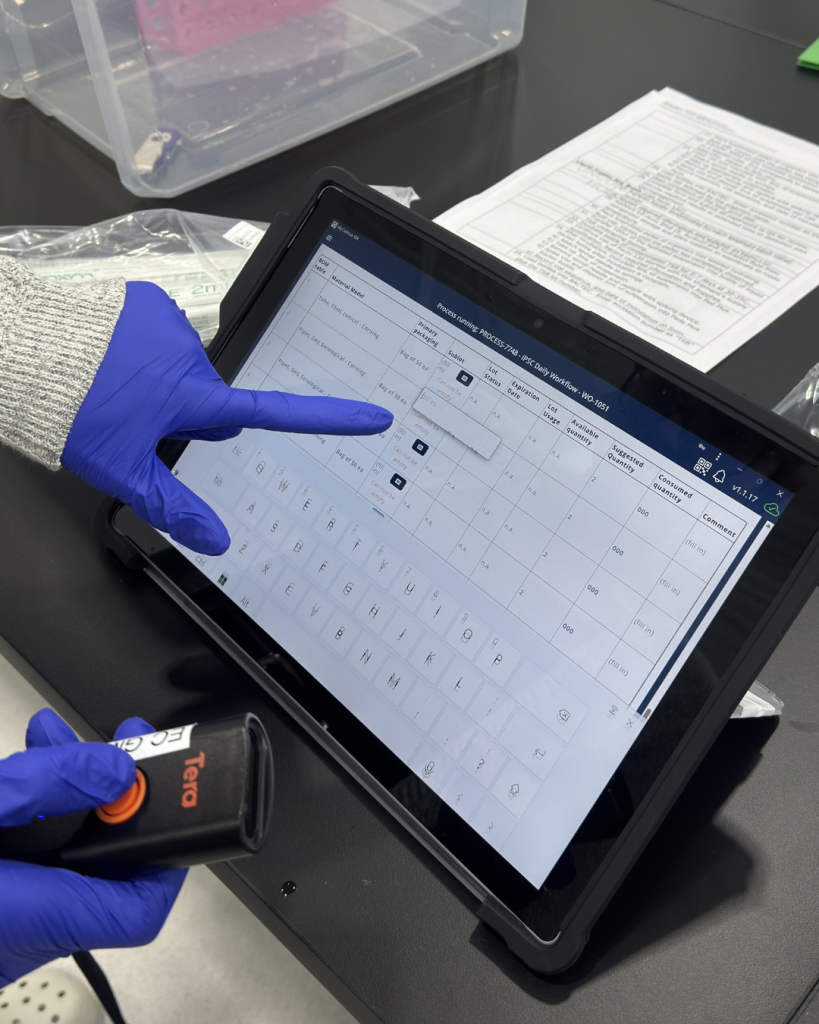
One of the most impactful projects currently underway at HeartWorks is the development of a new electronic documentation system designed specifically to support our production workflow. This system is being built to support the full lifecycle of our personalized treatments, from the earliest stages of cell collection to the final production of cardiac cells, while improving accessibility, efficiency, and quality across our entire operation.
Our approach to treating congenital heart disease is deeply personalized. At HeartWorks, we begin with a patient’s own skin, guiding them through a complex process that transforms them into specialized cardiac lineage cells with the potential to repair or support heart function. This process, known as autologous cell therapy, represents one of the most promising advancements in regenerative medicine for CHD.
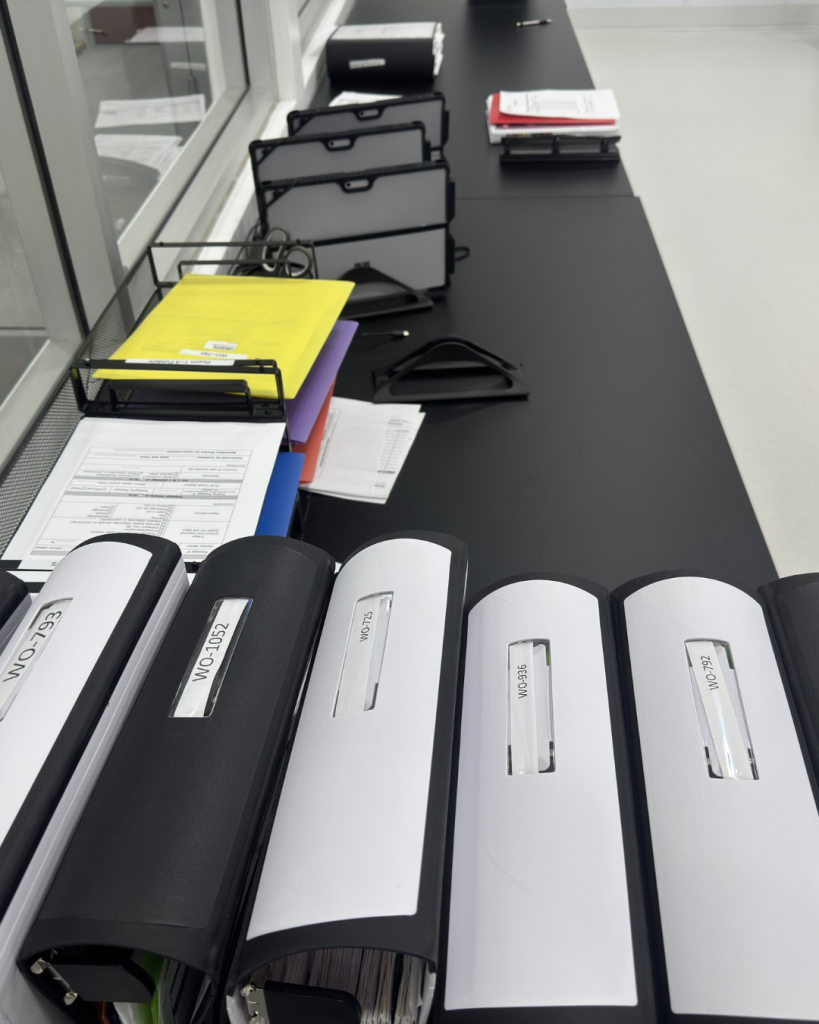
However, this level of personalization comes with complexity. Each patient’s therapy involves a production timeline of approximately nine months and generates an extensive amount of documentation. A single patient’s production record, often called a batch record, can exceed 500 pages. These records track every detail of our manufacturing process, including materials used, equipment performance, testing results, and quality checks.
As HeartWorks continues to grow and expand across multiple manufacturing sites, ensuring that this information is accurate, accessible, and seamlessly shared has become essential. This is where the new electronic system comes in.
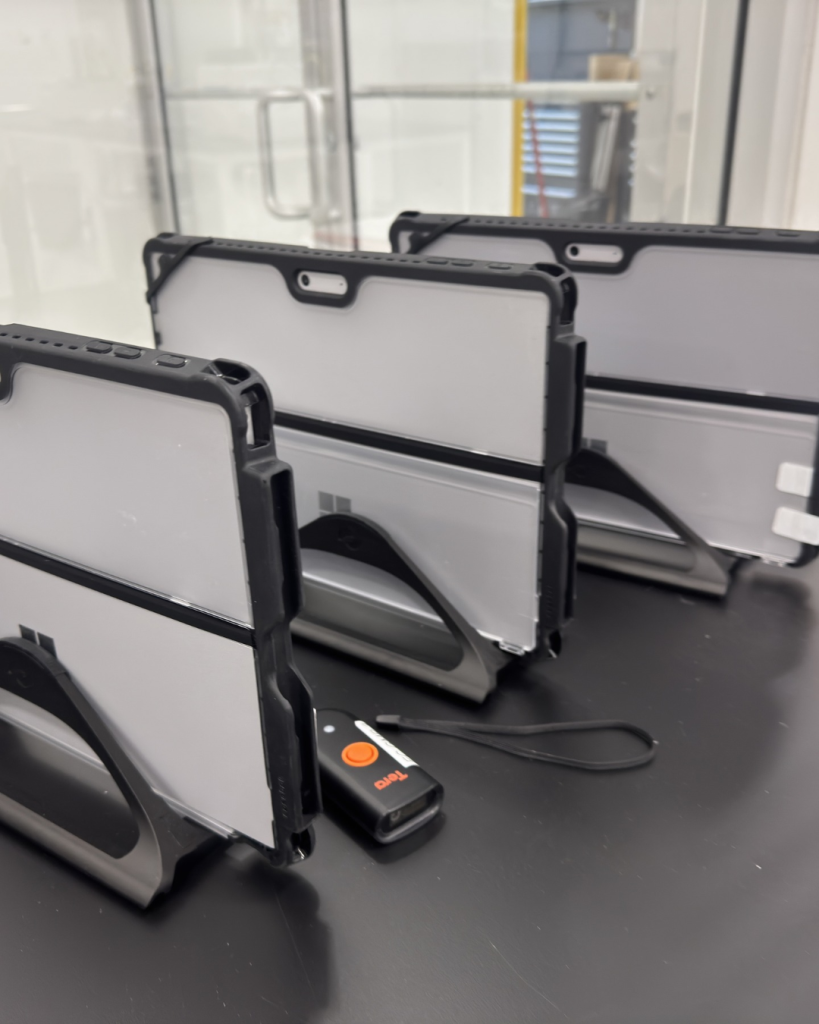
The core goal of this project is to transition from traditional paper-based documentation to a fully integrated electronic system that supports our manufacturing process. This system will connect production records with equipment tracking and material management, creating a unified digital infrastructure tailored specifically to how our team operates.
For patients and families, this transformation may happen behind the scenes, but its impact is significant. A digital system helps ensure that every step of our production workflow is carefully tracked, reviewed, and continuously improved. It also allows teams across different locations to access the same real-time information, supporting consistency and collaboration as HeartWorks expands its capabilities.
In practical terms, this means that the journey from a patient’s initial skin biopsy to the development of their cardiac lineage cells can be managed more efficiently and with greater precision. It strengthens our ability to maintain the highest standards of quality and safety, which are critical in the development of therapies for congenital heart defects.
Creating a system like this is not without its challenges. Unlike off-the-shelf software, this platform must be carefully designed to match the unique workflows of our manufacturing process. Every step of our production workflow, from fibroblast production to differentiation, must be accurately represented in a way that is both thorough and easy for the team to use.
One of the most important aspects of this project has been collaboration. As new sections of the system are developed, they are tested and refined through continuous feedback from the manufacturing team. This iterative approach ensures that the system not only meets regulatory and documentation requirements but also supports the day-to-day work of the people who use it.
Each improvement is the result of thoughtful adjustments, balancing the need for detailed documentation with the goal of making processes more streamlined and intuitive. Over time, this approach is helping shape a system that truly adds value, both for the team and for the patients they serve.
Turning Data into Insight
Beyond improving documentation, one of the most exciting aspects of this project is the ability to better understand and optimize our manufacturing process.
With data captured electronically, HeartWorks can more easily analyze trends, monitor quality metrics, and identify opportunities for improvement. This is especially important in autologous therapies, where each patient’s cells behave slightly differently. By tracking this information over time, the team can gain deeper insights into how to enhance consistency, efficiency, and overall outcomes.
For families navigating congenital heart disease, this represents a powerful step forward. It means that each therapy is not only carefully managed, but also continuously refined based on real-world data and experience.
Looking ahead, one of the most important upcoming milestones is the digitization of the reprogramming phase of our production workflow. This stage, which can last up to five months, is the longest and one of the most complex parts of our manufacturing process.
During reprogramming, patient-derived cells are converted into induced pluripotent stem cells (iPSCs), which have the ability to become many different cell types, including cardiac cells. At this stage, multiple cell clones are often managed simultaneously, each with its own data, performance metrics, and developmental path.
Capturing this level of complexity in a digital system is a significant challenge, but it also offers a unique opportunity. With the ability to track each clone’s progress over time, the team can gain new insights into how cells develop and respond during the process. This knowledge has the potential to improve how therapies are produced in the future, ultimately benefiting patients with congenital heart defects.
This project represents more than a technological upgrade. It is a foundational step toward the future of regenerative medicine at HeartWorks. By building a connected, data-driven system, we are strengthening our ability to deliver personalized therapies with precision, consistency, and care.
For patients, families, and caregivers seeking new possibilities in CHD treatment, this work is part of a larger commitment to continually improve, to innovate responsibly, and to bring hope through science.
As HeartWorks continues to advance its programs, projects like this ensure that every improvement, no matter how technical, translates into meaningful progress for the people who need it most.