A Diagnosis That Changed Everything
If I had to choose one word to describe our journey, it would be faith. Faith in God, and faith in the path we didn’t choose but were called to walk.
When I was 22 weeks pregnant with our now 5-year-old son David, we had our anatomy scan. They couldn’t clearly see his heart, so we returned the next week. That weekend between the scans, we had the gender reveal. I’m so thankful we didn’t yet know his diagnosis as it would have made his gender reveal a very hard day.
At the follow-up, we were told his left ventricle was smaller than expected, and we were referred to MFM. The worst thing I did was go home and Google. By the time we met specialists, we had already convinced ourselves of the worst.
A few days later, we met with his cardiology team and our world changed as our first child was diagnosed with Hypoplastic Left Heart Syndrome (HLHS). As first-time parents, we grieved the life we thought we would have and leaned into our faith more than ever. Our prayer wasn’t for a specific outcome, it was that God would be glorified through his life no matter how long or what it looked like.
Throughout pregnancy, we had appointments every two weeks and were suddenly learning an entirely new medical world.
Finding Confidence in the Care Team
When we met David’s surgeon, he said, “He’s a textbook case, we do tons of these a year.”
His confidence gave me a peace I couldn’t explain, and I knew we were in the right place.
A Strong Start
David had the Hybrid surgery at 2 days old.
The chief heart surgeon at our hospital, Nationwide Children’s in Columbus, Ohio, ended up doing our son’s Fontan. This surgeon was instrumental in the invention and development of the Hybrid procedure, making the Hybrid their preferred route. The Hybrid is used instead of the traditional Norwood because it avoids full bypass in those first days and is a much easier recovery.
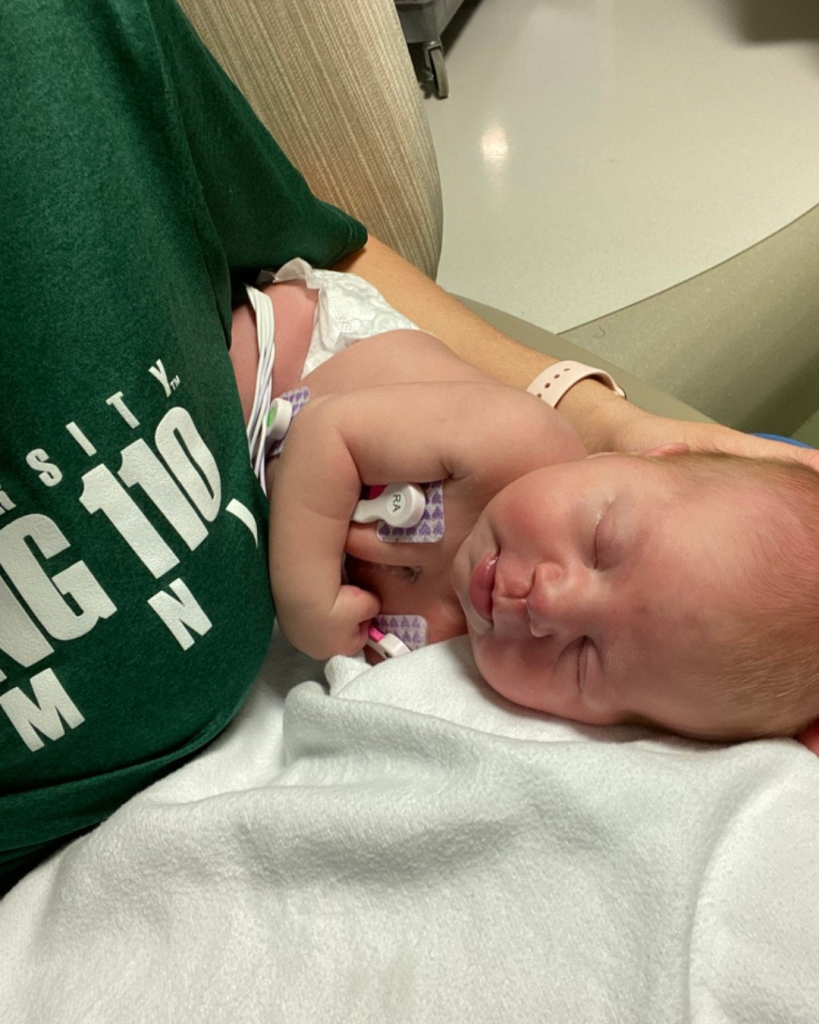
David came home at 14 days old and thrived in ways we were told were rare; fully breastfed, gaining weight quickly, and avoiding hospital admissions during interstage.
Early on, we learned not to compare his journey to others.
Learning to Advocate
At 6 months, he had the Comprehensive Stage 2 surgery, combining the Norwood and Glenn into one procedure once the baby is bigger and stronger.
During recovery, his oxygen levels dropped. After initially being dismissed multiple times by an individual, we learned to advocate for our son and that led to the discovery of a 100% clot in his left pulmonary artery while on Lovenox.
Choosing Research
At 3 years old, David needed his Fontan.
Because of timing, we had to switch surgeons and switched to the surgeon who founded the Hybrid. He was also involved in a stem cell-based graft study called TEVG 2.
Essentially, David’s own bone marrow stem cells were gathered during the Fontan and used to create a conduit designed to grow with him instead of calcifying over time like a standard Fontan. It was a major decision made with research, prayer, and peace.
414 Days with a Chest Tube
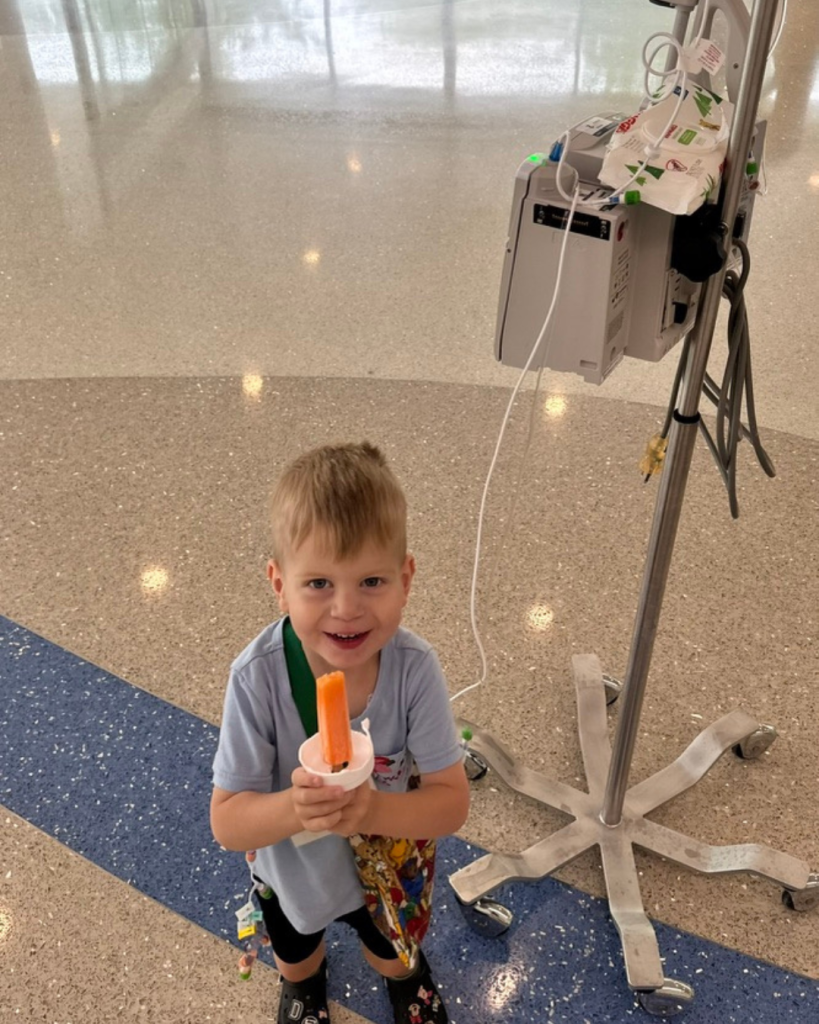
After surgery, David was discharged about two weeks later with a chest tube still in place. Our hospital is one of only a few in the country that allows this.
What was expected to be short term turned into over a year of living with it.
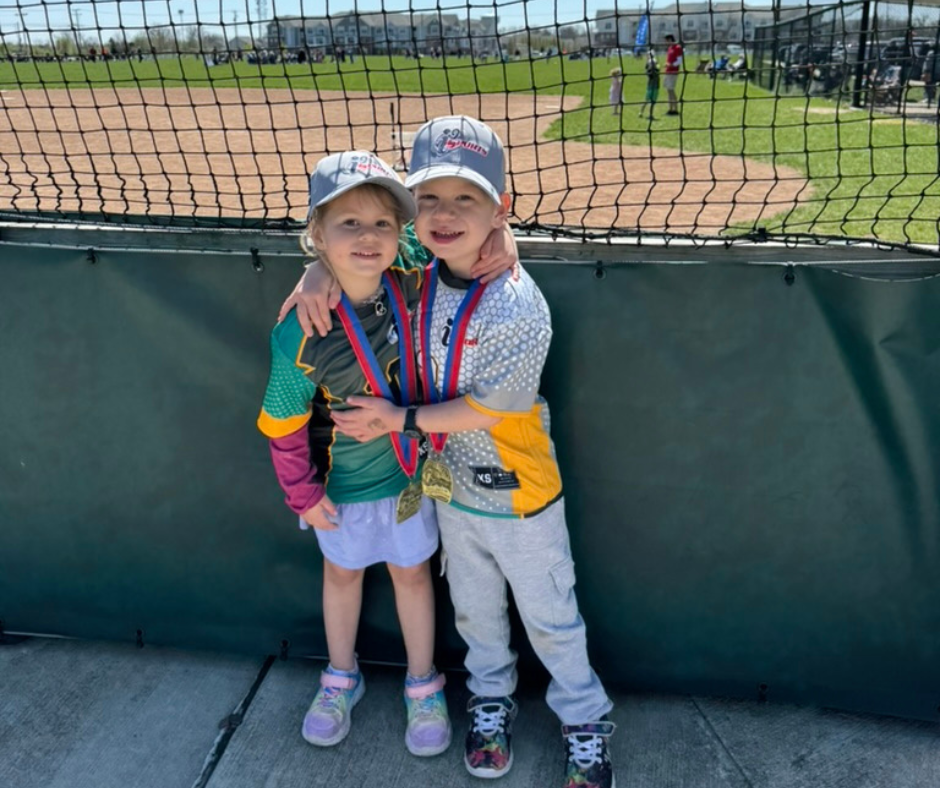
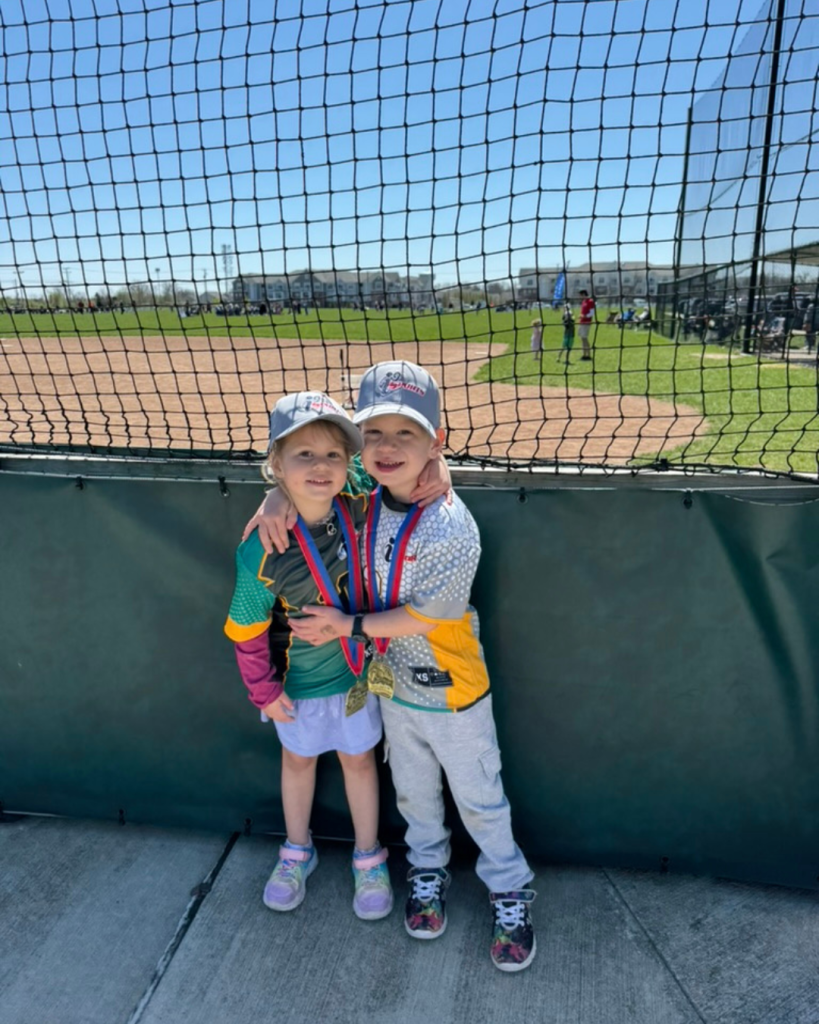
We drove 45 minutes twice a week for fluid removal while trying to keep life normal at home. David adapted in his own way, even becoming attached to his tube, and his sister Ryann made her own so she could be like him.
Eventually, this led to a 59-day hospital stay.
David was NPO for 30 days on TPN, which temporarily worked, but the fluid returned with feeds. Steroids failed and we were told we were in uncharted territory due to the newer graft.
Trusting Through the Unknown
That season stretched our faith deeply with no answers, no clear path, just trust.
After consulting multiple teams and early research, we moved forward with placing a stent in the graft. It meant altering its original design, but it was our best option.
After 414 days with a chest tube, the fluid stopped almost overnight.
For the first time in over a year, we got to just be a family again.
Helping Future Heart Warriors
Looking back, we are still happy with our decision to join the study.
Due to David’s issues from the graft, it has helped pave the way for future kids and helped specialists understand who may or may not be a good candidate. David is the only kid that this study did not work for, so his experience was essential in helping researchers learn more.
I would still recommend TEVG 2 to others if they have the option.
Thriving Today
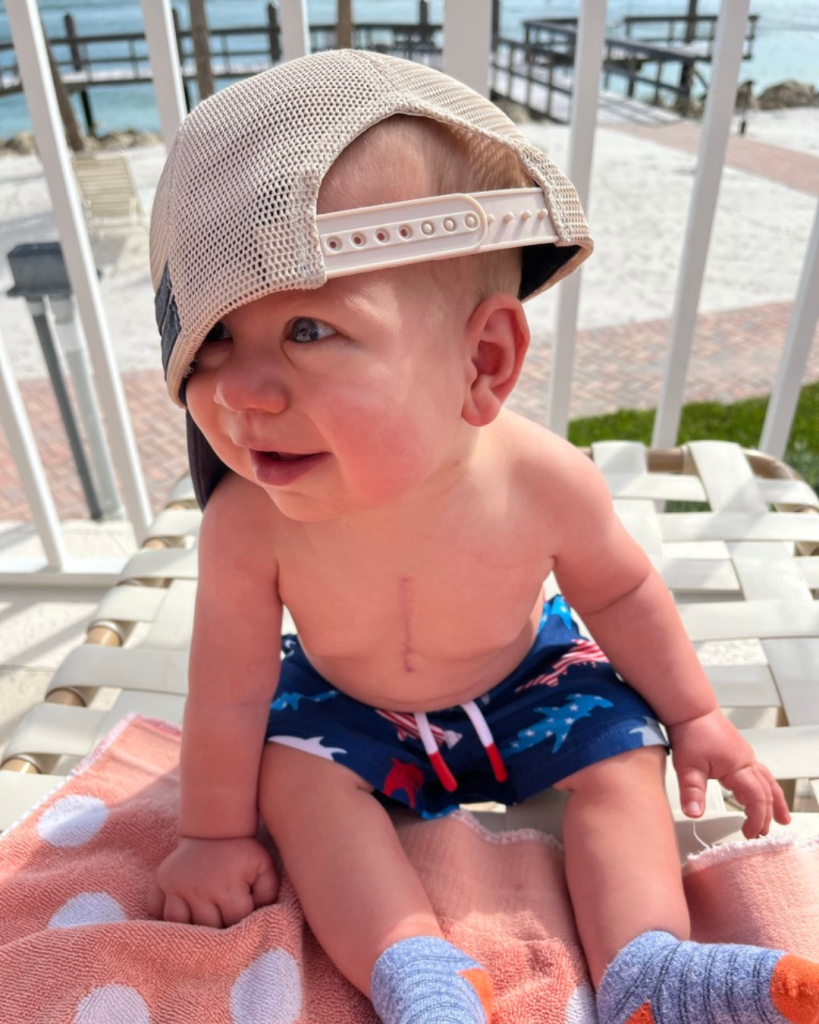
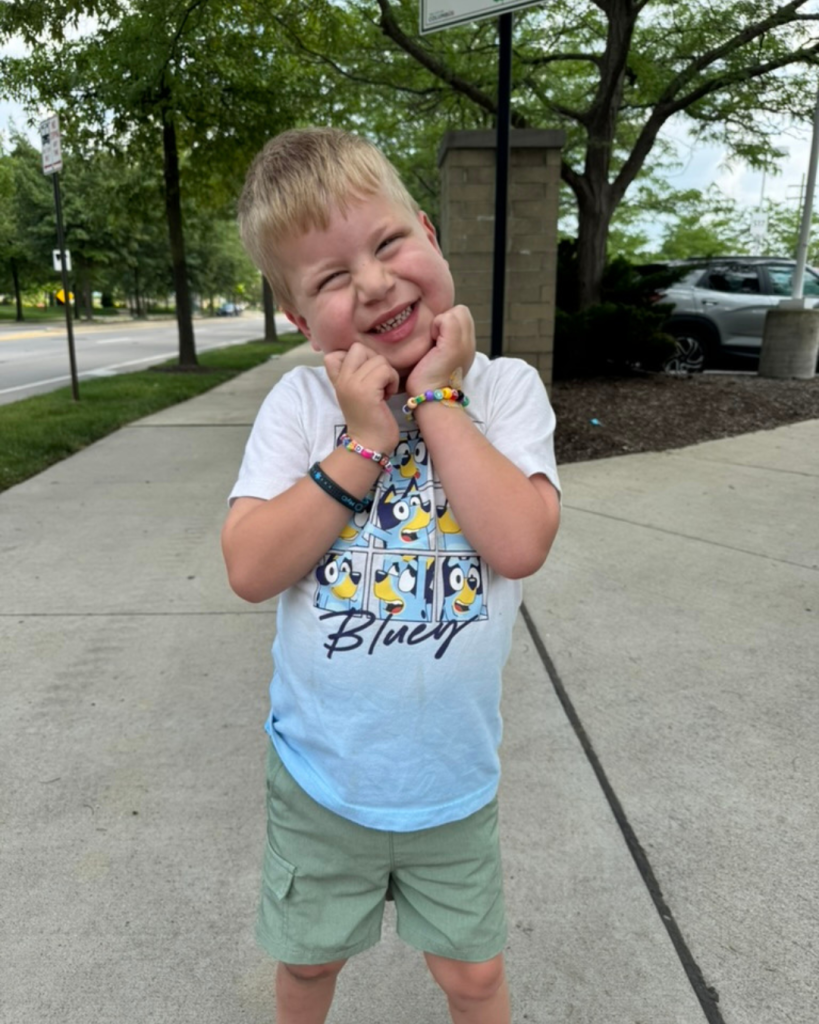
Today, David is a thriving 5-year-old.
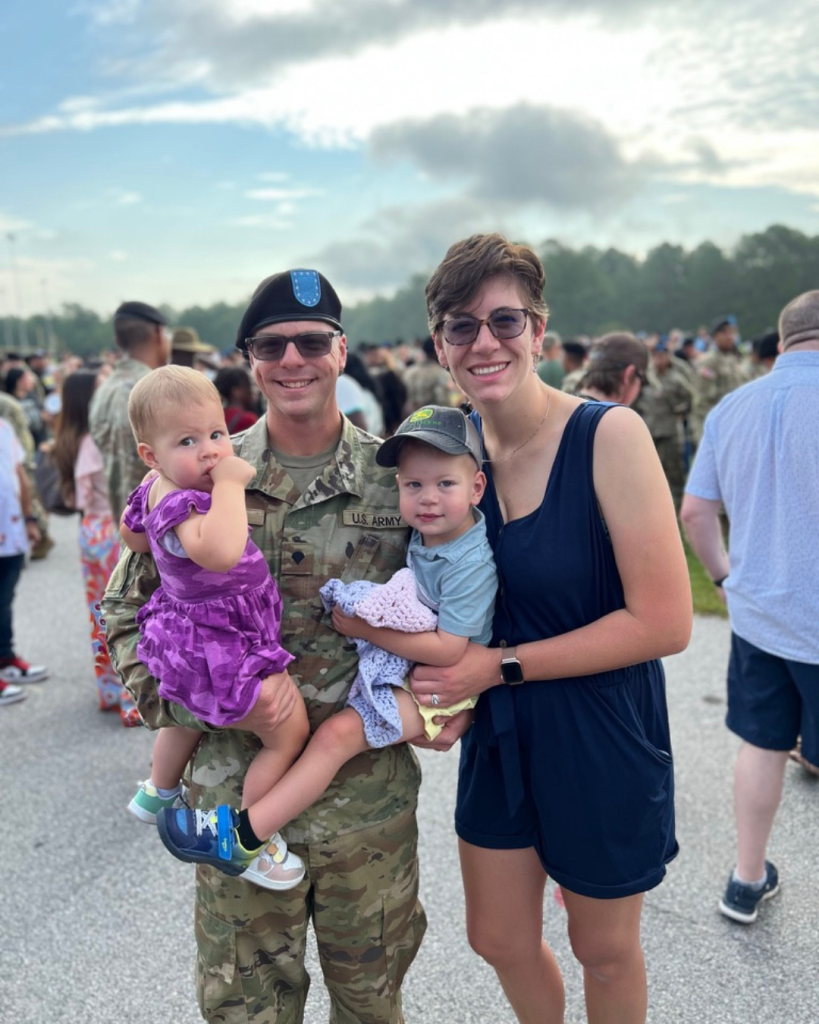
You wouldn’t know everything his body has been through. He has no fear of the hospital and absolutely loves to go there. He has his sister and brother who adore him, and another sibling on the way.
As we look ahead to another anatomy scan in a few months, we of course hope for a healthy heart, but we also have peace. We’ve walked this road before and we know God will meet us wherever it leads.
What Faith Has Taught Us
As David’s mom, it’s easy to sit in the unknowns and what-ifs, but fear can’t lead the way.
This journey has taught me something I come back to often: Faith doesn’t remove fear. It changes how you live with it.
It is having trust when you don’t have answers, speaking up when something doesn’t feel right, holding onto hope in the middle of uncertainty, and remembering that God has been faithful through it all and He will continue to be.
FAQ Section
What is Hypoplastic Left Heart Syndrome (HLHS)?
HLHS is a congenital heart defect in which the left side of the heart does not develop normally, requiring specialized medical care and multiple surgeries throughout childhood.
What is the Hybrid procedure for HLHS?
The Hybrid procedure is an alternative early surgical approach used for some babies with HLHS. It avoids full bypass in the newborn period and may provide a different recovery pathway for select patients.
What is the Fontan procedure?
The Fontan procedure is typically the third major surgery for children with single ventricle heart conditions and helps direct blood flow through the body using the available heart structures.
Why do families participate in congenital heart disease research studies?
Many families choose to participate in research to access innovative approaches, contribute to scientific understanding, and help improve future treatment options for other children living with CHD.
Why is parent advocacy important in congenital heart disease care?
Parents know their children best. Speaking up when something feels wrong can help identify complications, improve communication with care teams, and ensure concerns are fully evaluated.
How can families help advance congenital heart disease research?
Families can participate in studies, join patient registries such as The Co-Op @ HeartWorks, share their experiences, and support organizations focused on advancing CHD innovation.