Who We Are
We build, test, and deliver new therapies to cure congenital heart defects, allowing families to live full, enriching lives.
Learn More

Some of the most precise members of the HeartWorks lab team aren’t people. They’re robots.
For the past several years, HeartWorks has been integrating robotics and automation into the highly specialized work of growing and manufacturing patient-specific cells. It’s part of a bigger goal: finding ways to make personalized cell manufacturing more consistent, efficient and ultimately scalable for more people living with congenital heart disease (CHD).
And now, we’re giving our HeartWorks community the chance to become part of their story by naming them.
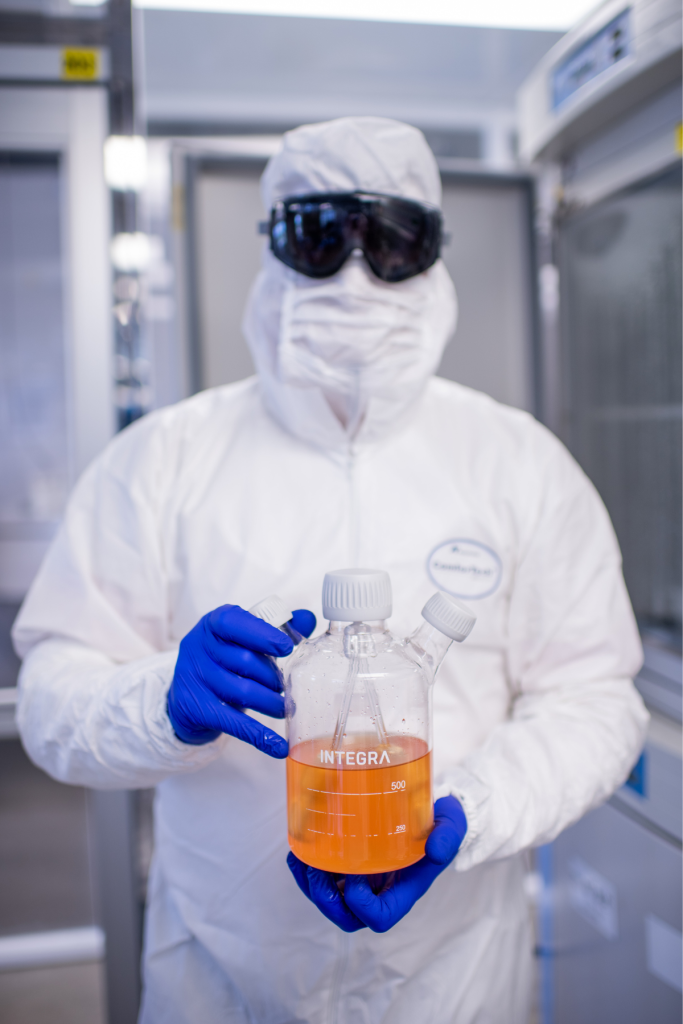
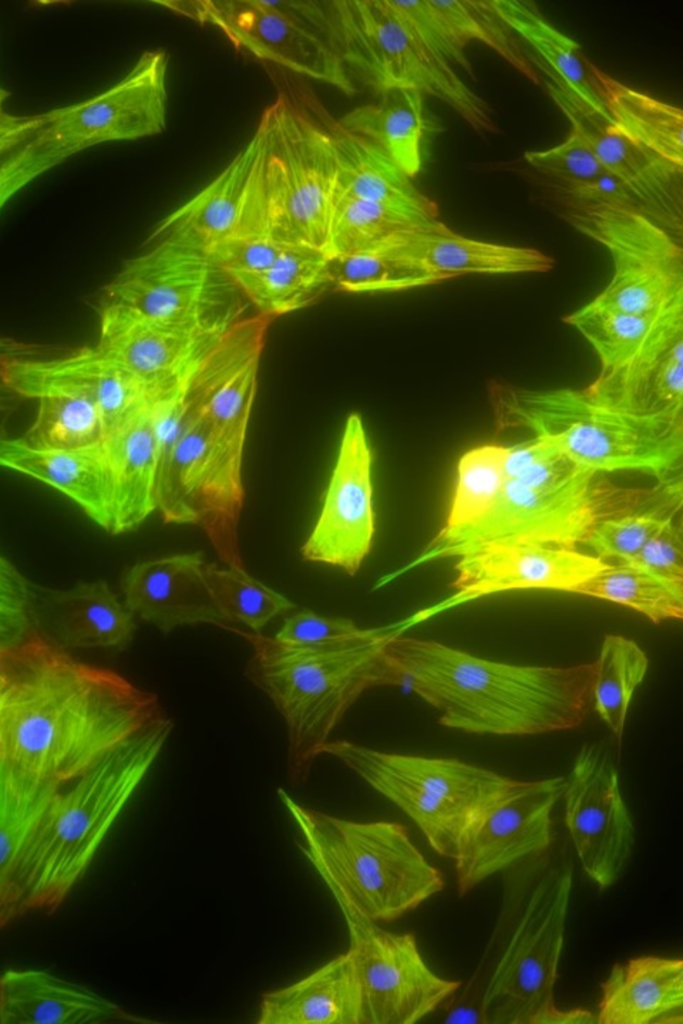
Creating patient-specific cells is an incredibly complex process. It requires precision, consistency, time and a significant amount of hands-on work from our scientists and manufacturing teams.
Our six-axis robotic systems help us explore how portions of that process can be automated.
One of the tasks they can perform is cell passaging: carefully transferring growing cells so they have the space and conditions they need to continue developing.
The robots can perform highly precise, repeatable movements down to approximately 0.02 millimeters, allowing our team to test how automation can bring greater consistency to work that has traditionally required extensive hands-on time.
Over the years, our team has continued to develop and validate what these systems can do. Most recently, our robotic process successfully passed comparability testing, an important step in demonstrating that the automated process can perform consistently alongside our established methods.
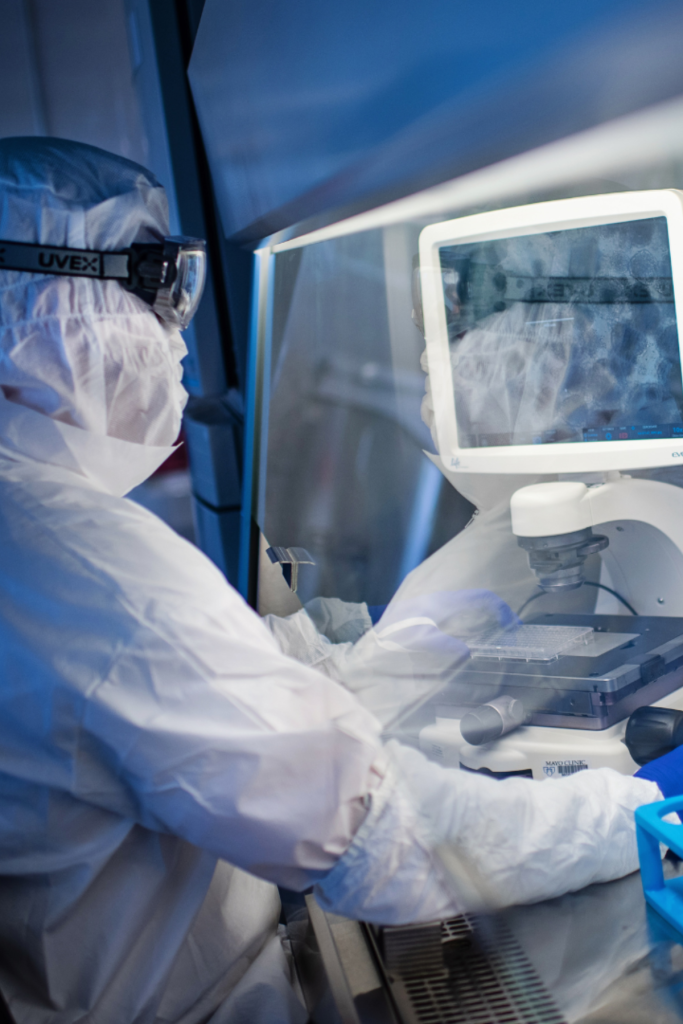
The next step is making the technology even smarter. Our team is working to integrate advanced imaging technology that will essentially give the robots “eyes.”
Instead of simply performing a programmed series of movements, imaging can provide information about what is happening with the cells. This creates opportunities to explore systems that can not only perform highly precise tasks, but also better understand what is happening throughout the process.
It’s another step toward bringing robotics, imaging and cell manufacturing together in one highly integrated system.
At HeartWorks, we’re not thinking about how to manufacture cells for just one patient. We’re thinking about what it could take to serve many more of the 1 in 100 people born with congenital heart disease.
Personalized cell manufacturing is complex and resource intensive. As we work toward therapies designed for individual patients, we also have to solve the challenge of how those therapies could eventually be produced at a much larger scale.
Automation is one piece of that puzzle.
By combining the expertise of our scientists and manufacturing teams with robotics, imaging and automation, we’re exploring ways to increase capacity, improve consistency and reduce some of the repetitive manual work involved in producing personalized cells.
The robots don’t replace our scientists. They give our scientists another tool to help us do more.
Our robots have been hard at work in the HeartWorks lab.
But after a few years on the job, we think they’ve earned something they’ve been missing: names.
For the first time, we’re auctioning off the opportunity to officially name a HeartWorks robot.
The online auction will be open:
Winning bidders will have the opportunity to give one of our robots a name that will become part of the HeartWorks lab and our story.
Name one for your heart warrior. Name one in honor or memory of someone you love. Choose a name that represents what you’re fighting for. Or simply give a robot a really great name!
However you choose, it’s an opportunity to leave your mark on technology that’s helping HeartWorks explore what the future of personalized cell manufacturing could look like.