
Could My Own Cells Really Be Used to Treat My Heart?
It sounds like science fiction: take a small sample of your skin, turn those cells into stem cells, and eventually create heart cells that are genetically matched to your own body. But this is exactly the kind of regenerative medicine HeartWorks is working to advance. For people living with congenital heart disease, it raises an exciting and deeply personal question: could my own cells really be used to help my heart? Researchers are developing therapies that begin with a patient’s own cells, transform them through a carefully controlled manufacturing process into specialized cardiac cells, and study whether those cells could one day help strengthen or rebuild heart muscle. The short answer is: potentially. Here is how it works, and why it matters.
It Starts With You
At HeartWorks, the process begins with something surprisingly small: a skin sample. A skin biopsy contains cells called fibroblasts, which scientists collect, grow under carefully controlled conditions, and then subject to a process called reprogramming. Reprogramming essentially takes an adult cell and gives it a new starting point, resetting it to an earlier, more flexible state. The result is an induced pluripotent stem cell (iPSC) and unlike the original skin cell, an iPSC has the potential to become many different types of cells in the body, including heart cells.
From Skin Cell to Stem Cell to Heart Cell
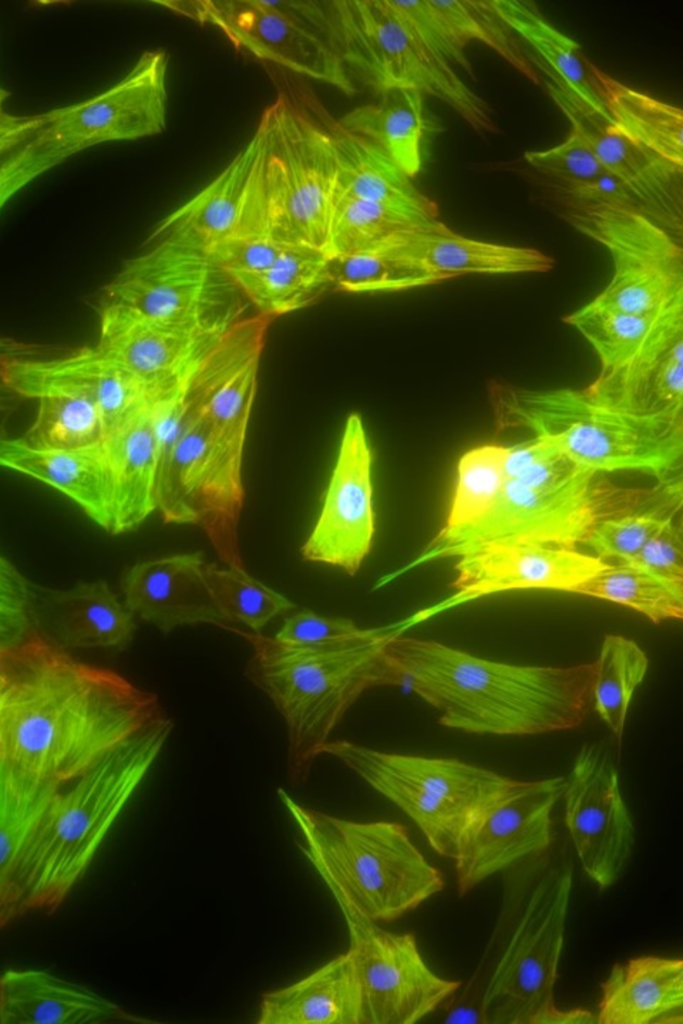
Once scientists have created iPSCs, they guide them through a process called differentiation – essentially giving the cells a new set of instructions about what to become. Rather than developing into skin, bone, or another tissue, the cells are directed toward a cardiac identity. What happens next is one of the most striking moments in this field of research: under the microscope, those patient-specific cells begin to contract together, beating as cardiac tissue.
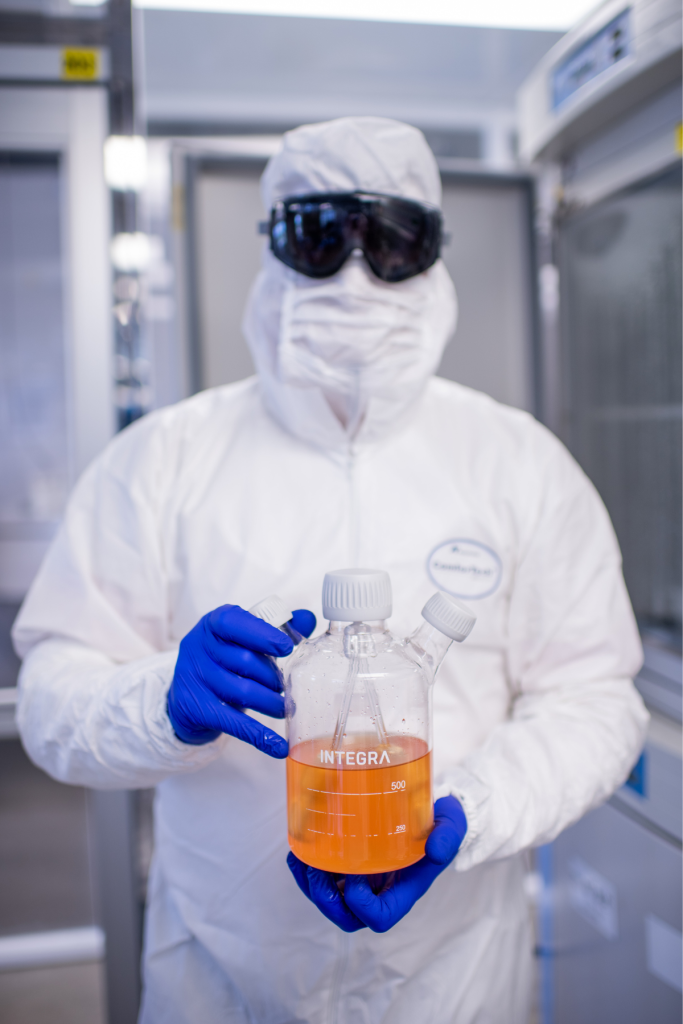
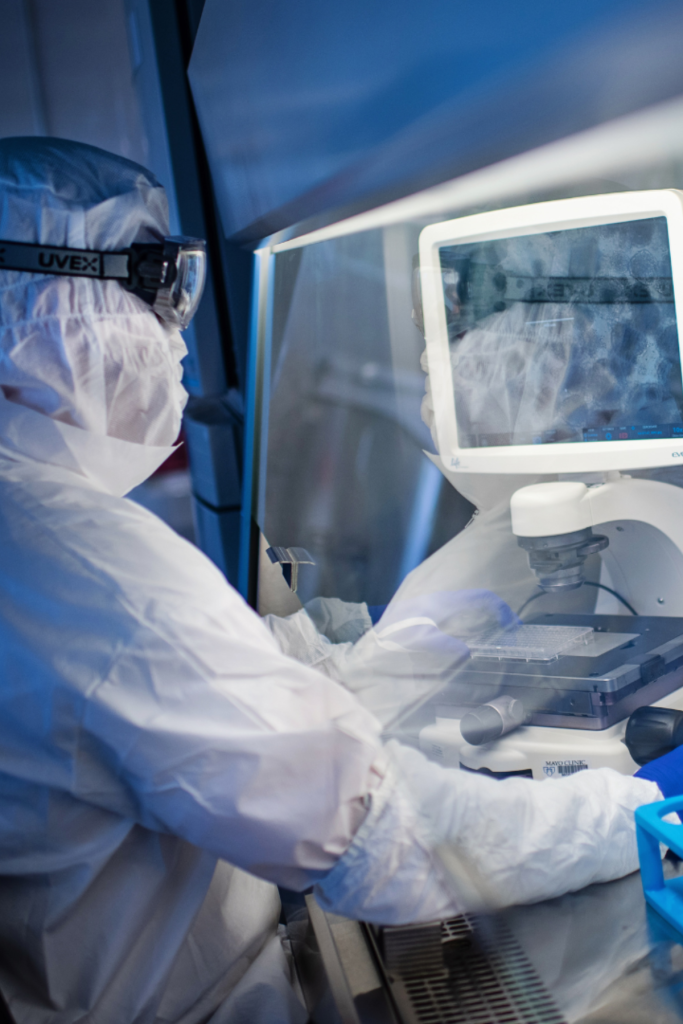
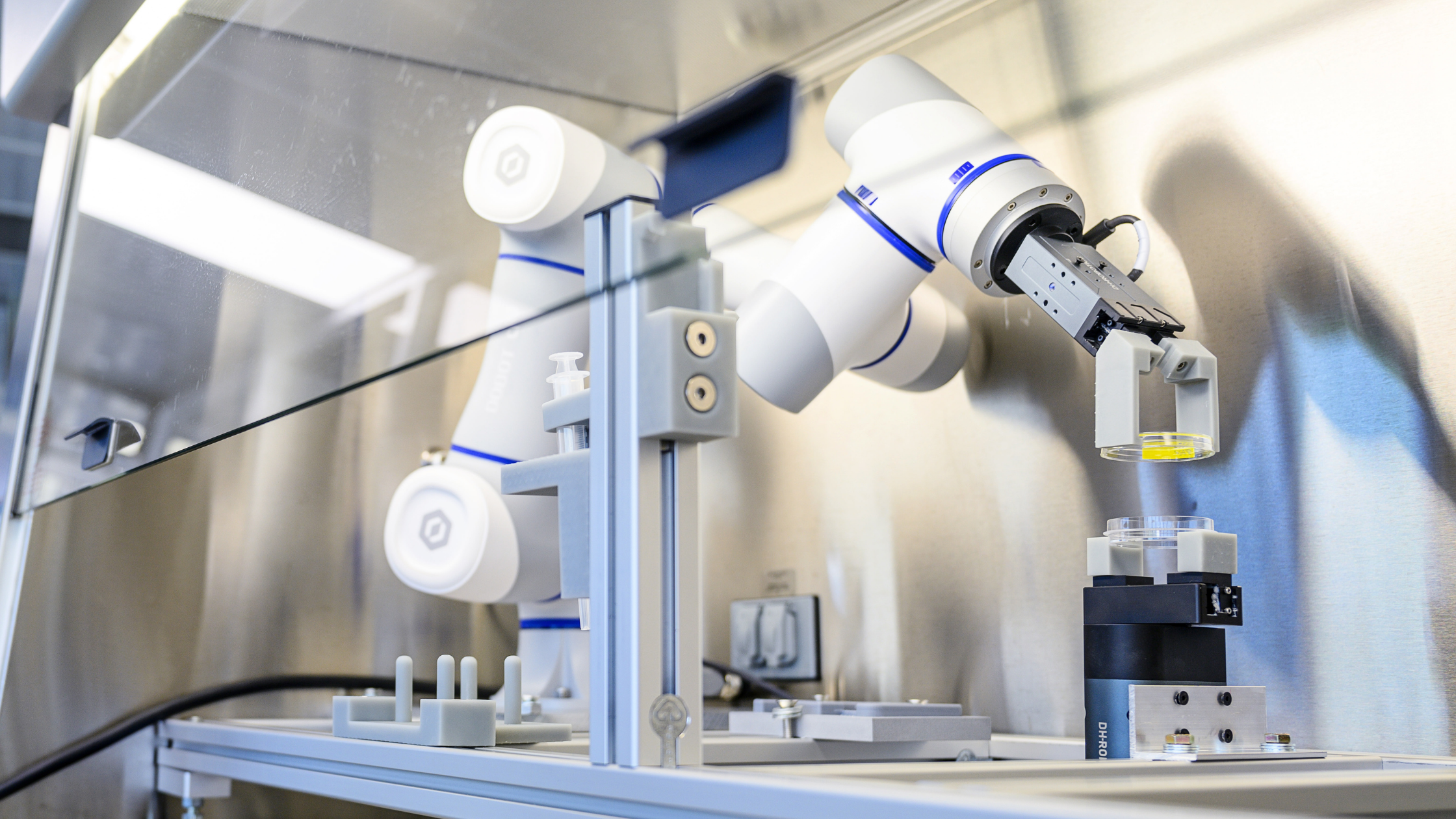
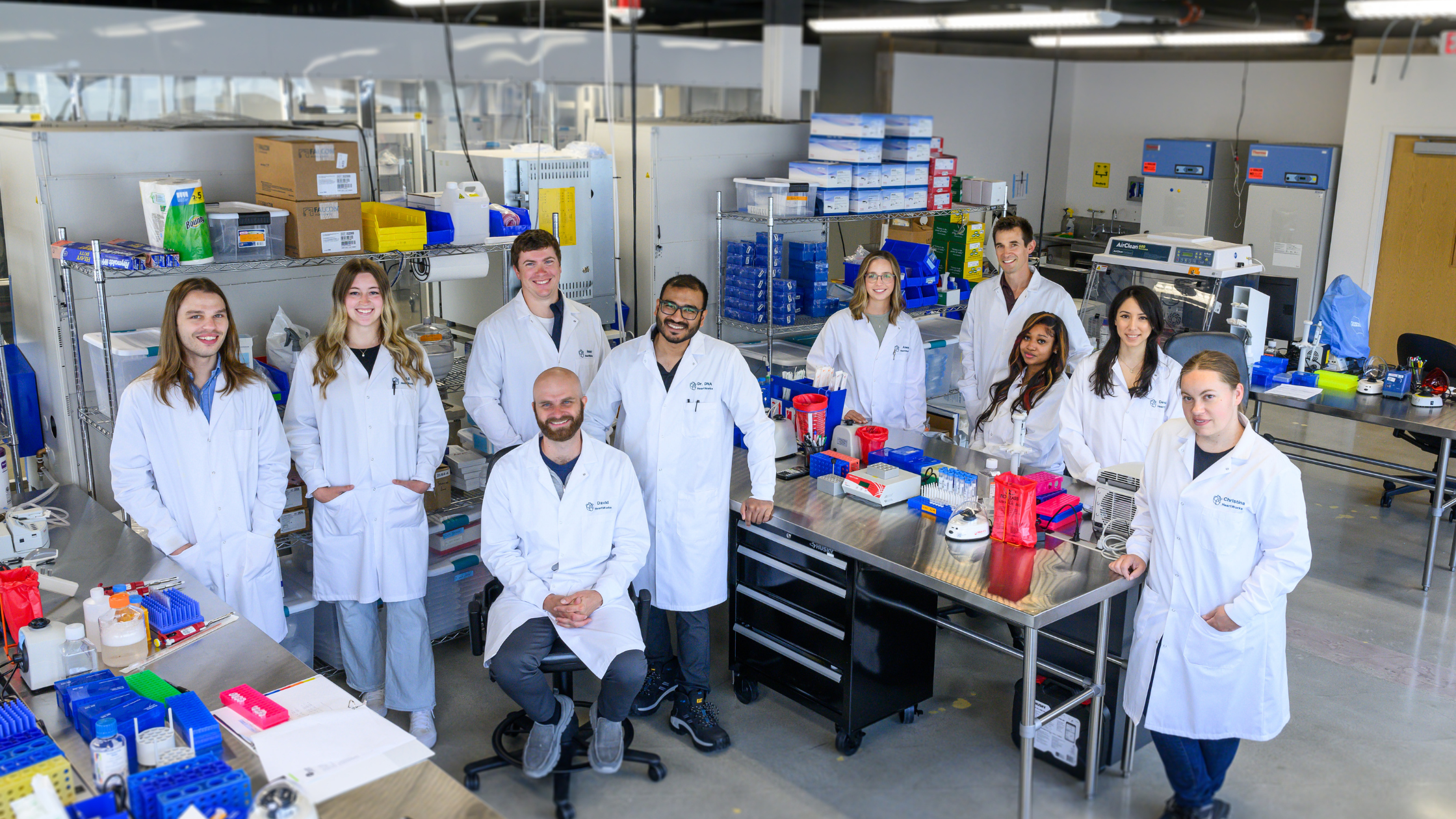
At HeartWorks, creating these cells is not a quick process. Producing patient-specific cells under clinical-grade conditions involves months of manufacturing, monitoring, testing, and quality control. Every step in that process matters, because the ultimate goal is developing a product that may someday be used in a patient.
Why Use a Patient’s Own Cells?
This approach is known as autologous cell therapy, meaning the cells come from the same person who may eventually receive them. Rather than creating one generic cell product for every patient, researchers can create cells that are biologically specific to an individual. For HeartWorks, the goal is to explore whether those patient-specific cardiac cells could eventually be delivered back to the heart to help strengthen existing heart muscle or create new functioning cardiac tissue.
Many existing treatments help the heart work around a problem. Regenerative medicine asks a different question: what if we could help rebuild what isn’t working?
Why Would Someone Make Their Cells Before They Need Them?
This is one of the most important aspects of HeartWorks’ current work. Because creating patient-specific cells takes months, HeartWorks developed its Clinical Readiness Skin Punch Biopsy Sample Collection program. Rather than waiting until someone urgently needs a new therapy to begin that process, the program allows part of the manufacturing work to be completed in advance. If a future clinical study becomes available and a patient meets the eligibility criteria, having patient-specific cells already prepared may significantly reduce the time needed to manufacture a potential therapy. This does not guarantee eligibility for or access to a future treatment, but it helps HeartWorks build readiness for a future where personalized therapies may become an option.
Have Cells Like These Been Put Into a Human Heart?
HeartWorks’ work builds on years of clinical research investigating cell-based therapies for congenital heart disease. Earlier studies explored cells derived from a patient’s own cord blood or bone marrow, primarily intended to support the heart through biological signaling, repair support, and anti-inflammatory effects. Those studies taught researchers important lessons about how cells could be collected, prepared, and delivered – but those cells were not designed to become new heart muscle. The next generation of research is designed to go further. HeartWorks is advancing patient-specific cardiac lineage cells with the goal of studying whether cells created from a patient’s own tissue can help strengthen and ultimately rebuild heart muscle — a much larger scientific challenge, and potentially a much larger opportunity.
Does This Mean We Can Grow a New Heart?
Not yet, and that distinction is important. Scientists can create beating cardiac cells in the laboratory, but building an entire functioning human heart — with chambers, valves, blood vessels, electrical systems, and the ability to work seamlessly inside the body — is extraordinarily complex. HeartWorks’ current approach focuses on a more immediate goal: developing therapies designed to strengthen or rebuild heart muscle in the heart a patient already has. Rather than replacing the entire organ, the research asks whether we can help make the existing heart stronger.
Why Does This Matter for Congenital Heart Disease?
For many people born with complex CHD, today’s treatments can be lifesaving. Surgeries can reconstruct circulation, medications can help manage symptoms, devices can support heart function, and transplantation can offer another path for some patients. But these approaches do not create new functioning heart muscle. Regenerative medicine introduces a different possibility – rather than only helping a heart compensate for what it cannot do, researchers are exploring whether it’s possible to give the heart something it doesn’t have enough of: new, functioning cardiac tissue. And someday, some of those cells could begin with the patient themselves.
The Future Could Start With You
A small piece of skin can already be transformed into beating cardiac cells in the laboratory. The next challenge is understanding how to safely and effectively translate that science into therapies capable of making a meaningful difference for people living with congenital heart disease. HeartWorks is developing therapies that begin with a patient’s own cells – starting with a simple biopsy, moving through months of clinical-grade manufacturing to produce iPSCs and ultimately cardiac cells, and working toward the day when those cells could help strengthen or rebuild a patient’s heart. That work is still ongoing. But for the first time, the building blocks for a future heart therapy may not have to come from somewhere else. They could come from you.