Double Infection: Finding Smarter Ways to Build Heart Cells
When you’re building a personalized cell therapy for a patient, every step matters. At HeartWorks, our team is working to transform a patient’s own skin cells into induced pluripotent stem cells, or iPSCs, which can ultimately be guided into becoming heart cells. It’s a highly specialized process that requires time, precision, and some very expensive tools.
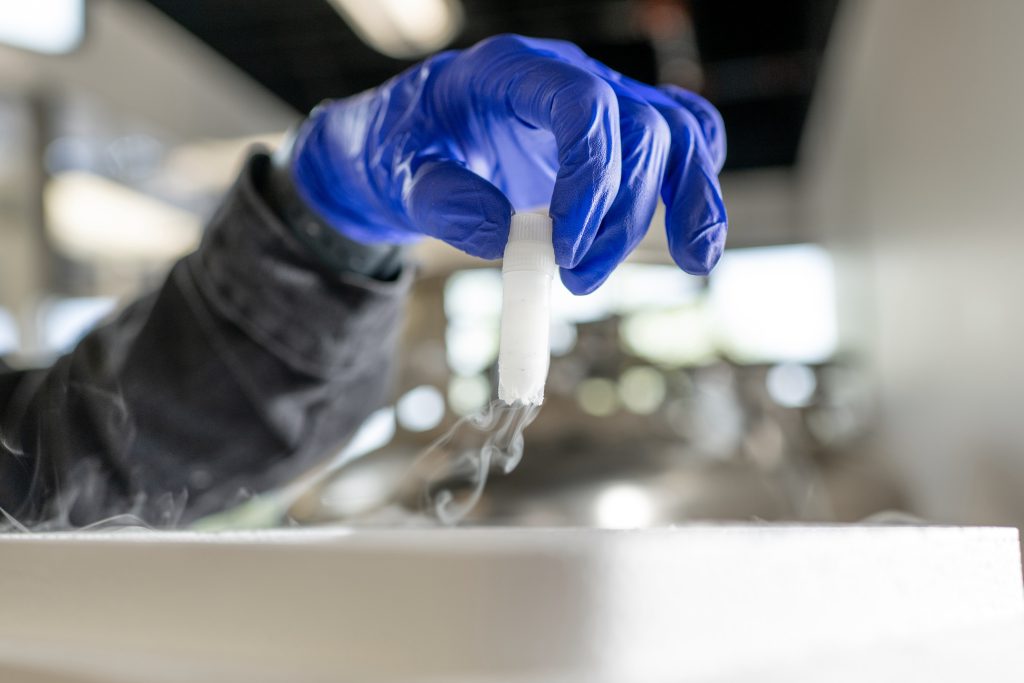
One of those tools is a virus used during the reprogramming process. The virus helps deliver the instructions needed to transform an ordinary skin cell into an iPSC, and a single vial costs approximately $14,000. Recently, our manufacturing team saw an opportunity to approach that step differently.
One Vial, Two Patient Lines
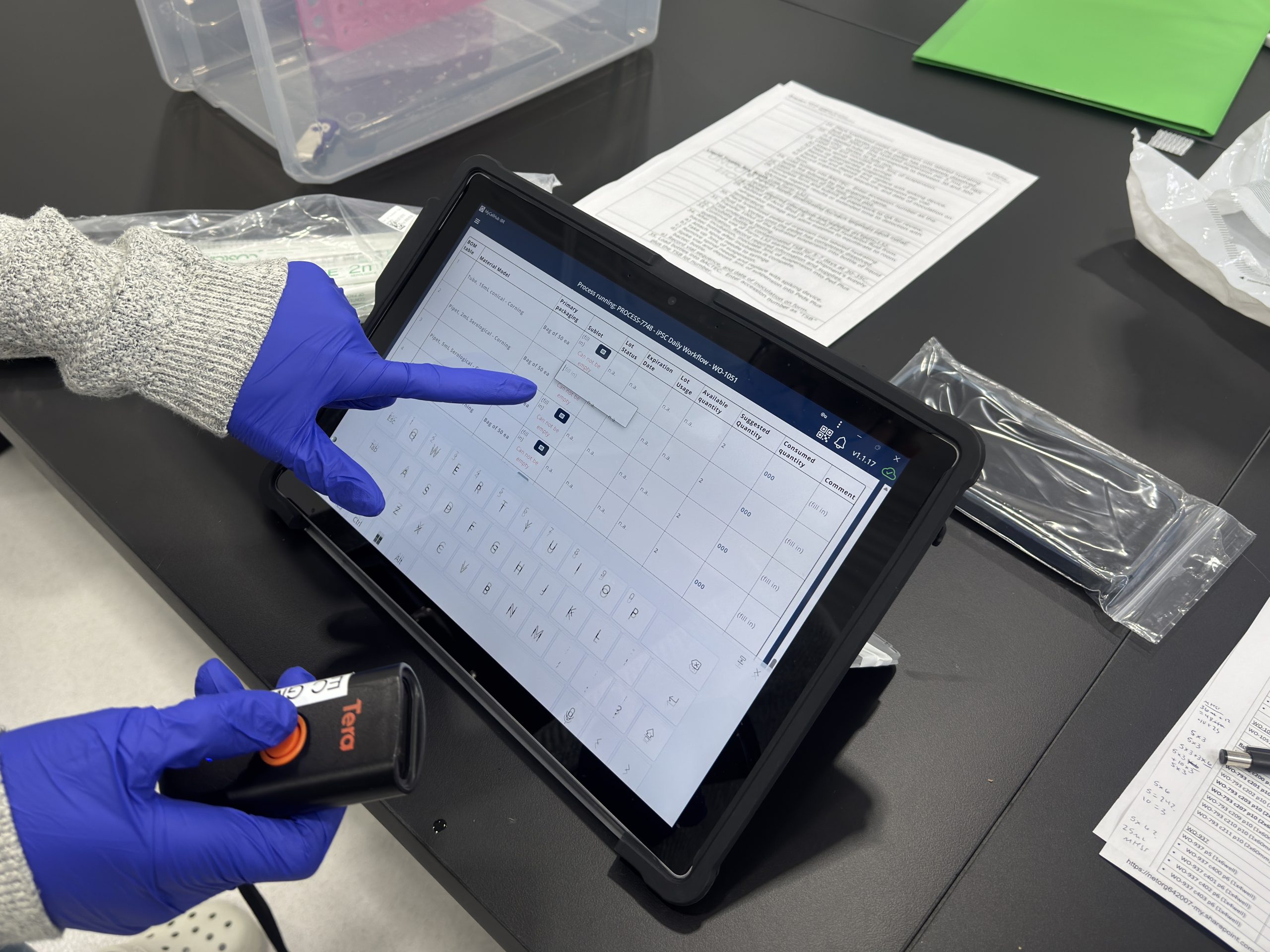
Two patient-specific manufacturing runs reached the same stage of the process at nearly the same time. Rather than opening a separate vial of virus for each run, our team carefully coordinated the schedules so that a single vial could serve both. We call it a double infection. The outcome was that two separate patient cell lines moved through the reprogramming process successfully while HeartWorks avoided the cost of an additional vial.
But the more meaningful part of this story isn’t the savings themselves. It’s what the savings represent.
Building a Platform That Can Scale
Personalized cell therapy presents a manufacturing challenge unlike anything in conventional medicine, because every patient’s therapy begins with their own cells. Scaling this kind of work isn’t as simple as producing one large batch of a drug. The team has to find ways to make an individualized process faster, smarter, and more efficient without ever compromising the quality and rigor required for clinical manufacturing. That means pursuing new technology in some cases, automation in others, and in moments like this one, taking a close look at an existing process and asking whether there’s a better way to do it.
The double infection is one example of that mindset applied in practice. As HeartWorks prepares for a future where more patients could benefit from personalized heart cell therapies, efficiencies like these compound over time, helping the organization increase capacity, reduce costs, and make the most of every resource available.
Innovation Happens in the Details
Building the future of CHD treatment is not a single breakthrough moment. It is thousands of decisions made throughout the research and manufacturing process, from how cells are grown and monitored to how materials are sourced and how manufacturing runs are timed and coordinated. Our team is continually looking for opportunities to improve each of those steps, because building heart cells for more patients also means building a system capable of delivering them reliably at scale.
Sometimes progress starts with something as straightforward as one vial and a team asking how far they can make it go.
Glossary
Induced Pluripotent Stem Cells (iPSCs)
Stem cells created by reprogramming ordinary adult cells – in this case, skin cells – back into an earlier, more flexible state. Once reprogrammed, iPSCs can be guided into becoming many different cell types, including heart muscle cells.
Reprogramming
The laboratory process of resetting an adult cell’s identity. Through reprogramming, a skin cell that would normally only ever be a skin cell can be transformed into a stem cell capable of becoming cardiac tissue.
Viral Vector
A virus engineered to carry and deliver a specific set of genetic instructions into a cell. In HeartWorks’ process, the viral vector delivers the signals needed to trigger reprogramming. It is not used to cause infection in the traditional sense , it is a precision delivery tool.
Double Infection
HeartWorks’ term for coordinating two separate patient manufacturing runs so that a single vial of viral vector can be used across both, rather than opening a new vial for each. The word “infection” here refers to the controlled, laboratory process of introducing the virus into cells – not illness.
Patient-Specific Manufacturing
A production process in which every therapy is built individually from a single patient’s own cells, rather than mass-produced from a shared source. This ensures the therapy is biologically compatible with that patient but requires a unique manufacturing run for each person.
Clinical Manufacturing
The production of cell therapies under the strict safety, purity, and quality standards required for use in human patients. Clinical manufacturing is held to a significantly higher level of rigor than research or laboratory-scale production.