
Families impacted by congenital heart disease (CHD) are often searching for new treatments, therapies, and care options that can improve the lives of their loved ones. One of the most important ways to access cutting-edge care is through clinical research and clinical trials for CHD. At HeartWorks, we are committed to leading and supporting clinical research studies so families can have more options and hope for the future.
In this guide, we break down what clinical research and clinical trials are, how they work, and how CHD families can find opportunities to participate.
What Is Clinical Research for CHD?
Clinical research involves studies with human participants to answer important health questions. For CHD families, this type of research is essential for discovering new therapies, surgical innovations, medications, or devices that can ultimately become part of the standard of care.
Clinical research does not include studies using only existing biological samples or anonymous data. Instead, it focuses on real-time participation to improve health outcomes for children and adults living with congenital heart defects.
Clinical Trials for Congenital Heart Disease
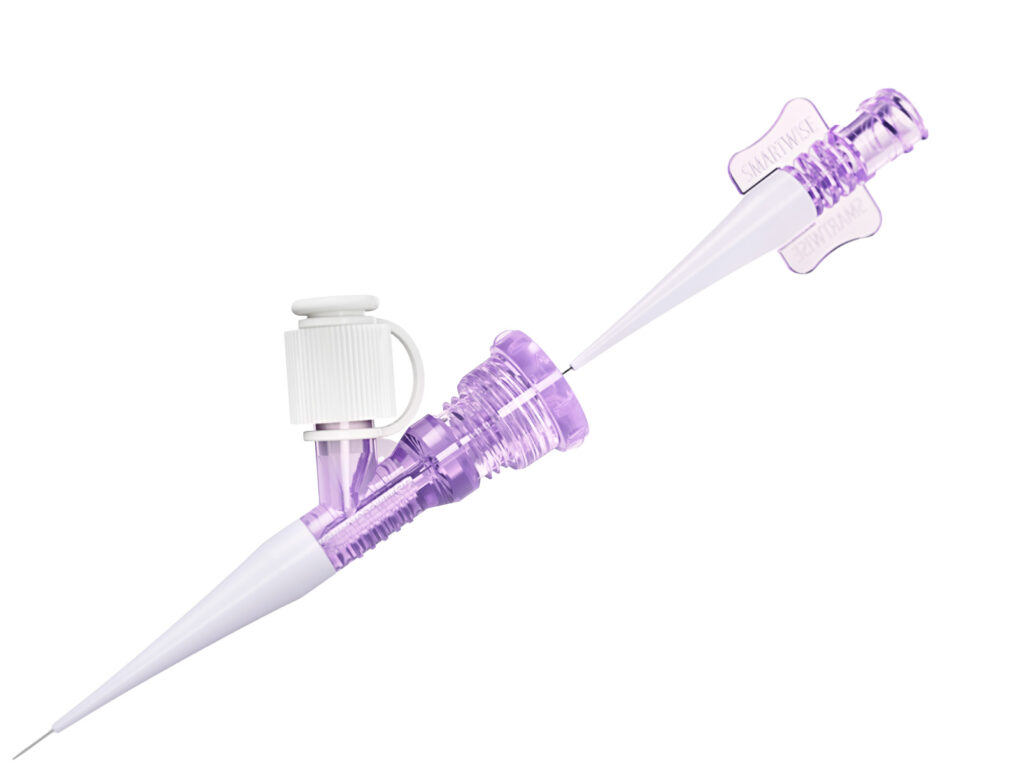
Clinical trials are a specific type of clinical research where participants are assigned to an intervention, such as a new medication, therapy, or medical device, to evaluate how it affects health outcomes. For CHD families, these trials open the door to the latest treatments before they become widely available.
Clinical trials can help answer questions like:
- Does a new therapy improve heart function or quality of life?
- Can a new surgical approach reduce recovery time?
- What new options exist for children and adults after complex surgeries like the Fontan procedure?
At HeartWorks, we proudly serve as the clinical trial sponsor for several CHD studies, guiding their design, funding, and implementation to bring breakthroughs to patients faster.
Observational Studies and Patient Registries
Not all CHD research involves testing new treatments. Observational studies collect information about patients’ health, lifestyle, and outcomes without assigning a specific therapy.
One valuable tool in these studies is a patient registry, a secure database where families can consent to share health information. With registries, researchers can quickly analyze data from hundreds or thousands of CHD patients to uncover patterns, track long-term outcomes, and identify promising future research directions.
The Co-op at HeartWorks is a patient registry built to inform future clinical innovation and design of clinical trials which address the needs of the members.
Where Clinical Trials Take Place: CHD Clinical Trial Site
A clinical trial site is the physical location where research takes place. These can include hospitals, medical centers, or specialized research facilities.
HeartWorks has built an international consortium of leading pediatric CHD care centers across North America and is expanding to include top adult CHD programs as well. By collaborating with these centers, we can make participation in CHD clinical trials more accessible to families.
How CHD Families Can Find Clinical Trials
If you’re a parent or patient looking for clinical trials for congenital heart disease, there are excellent online resources available:
- ClinicalTrials.gov: The official U.S. registry for all types of clinical trials, searchable by condition, location, and trial status.
- Mayo Clinic Clinical Trials: A comprehensive listing of trials conducted through the Mayo Clinic system.
- The HeartWorks clinical trials page.
HeartWorks will continue sharing updates about our CHD clinical trials so families can easily find information about new opportunities.
Why Clinical Trials Matter for CHD Families
For children and adults living with CHD, participating in a clinical trial can mean access to the newest treatments, closer monitoring, and the chance to help advance care for future generations. Every study brings the CHD community one step closer to better therapies, better outcomes, and brighter futures.
At HeartWorks, we believe in empowering CHD families with information about clinical research opportunities. Together, we can push the boundaries of what’s possible in CHD care.