We are developing the Heart-in-a-Box system, a portable platform designed to keep donated hearts alive and functioning outside the body for extended periods. This project focuses on using hearts in research, particularly for testing new stem cell therapies, studying drug responses, and developing advanced cardiac treatments. By maintaining a living, beating heart outside the body, researchers can observe how the heart reacts to different treatments in real time without risking patient safety.
The system circulates a nutrient-rich, oxygenated fluid through the heart’s blood vessels to keep the tissue healthy and functioning. It controls vital conditions such as pressure, flow rate, temperature, and oxygen levels to closely mimic what the heart would experience inside a living body. A suite of sensors continuously monitors key parameters like pressure, flow, temperature, oxygen saturation, and electrical activity (EKG), allowing researchers to track the heart’s performance and response to experimental therapies.
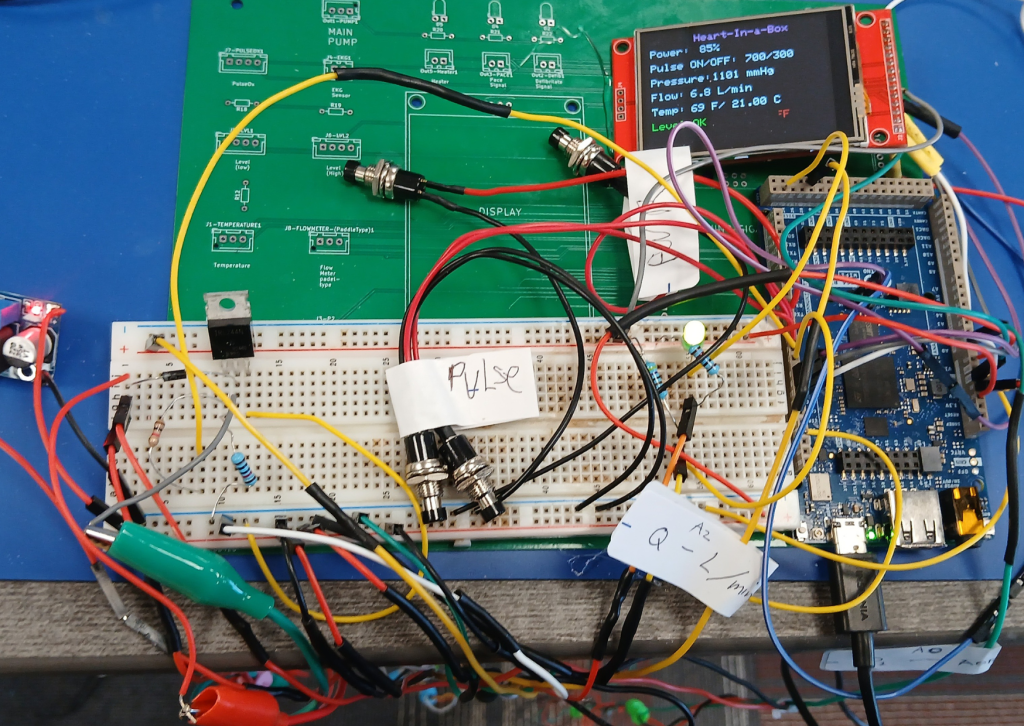
At the core of the system is a custom-built, digitally controlled pump that produces a gentle, pulsatile flow similar to natural blood circulation. The current working prototype, shown in our photos, features this pump successfully circulating fluid in a pulsatile fashion. A microcontroller reads data from the sensors and automatically adjusts the pump, heater, and other components to maintain stable conditions. Researchers will be able to view real-time data and adjust system settings through a user-friendly interface, either directly or remotely.
By using the Heart-in-a-Box, researchers can gain valuable insights into how new treatments affect heart function. This platform supports cutting-edge research aimed at improving therapies for heart failure, advancing regenerative medicine through stem cell integration, and refining drug delivery methods. Ultimately, the project bridges engineering and biomedical science to create a powerful tool for cardiovascular research, without relying on human trials at the early stages
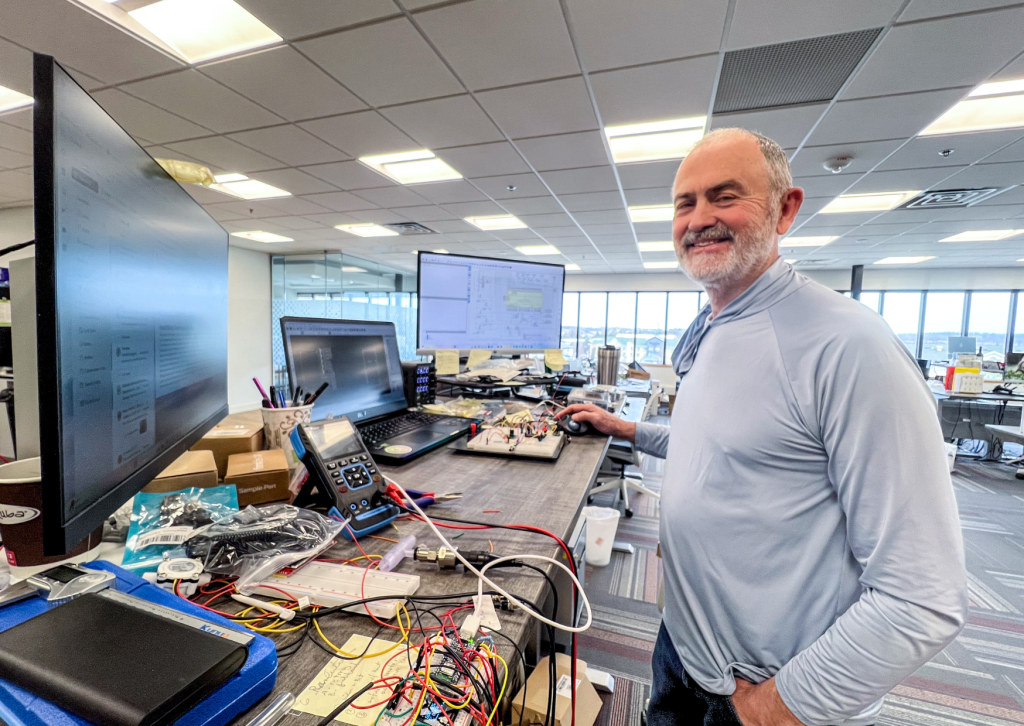
Flavio leads this incredible project. Flavio is an engineer and neuroscientist with expertise in mechanical engineering, biomedical device development, and brain-computer interface research. His work integrates sensors, control circuits, and custom software to maintain physiologic conditions, enabling research in drug response, stem cell therapies, and cardiac repair.
Flavio leverages commercially available tools to drive medical innovation, ensuring diverse systems work seamlessly. His solutions enable our research teams to focus on biological challenges without technical disruptions.
Heart-in-a-Box is still in development, but the prototype is already showing promise. As we fine-tune the system, we’re laying the groundwork for a whole new way to test heart treatments faster, safer, and smarter. It’s a glimpse into the future of cardiac care, and we’re proud to be leading the way.