
The Problem with Traditional Patient Registries
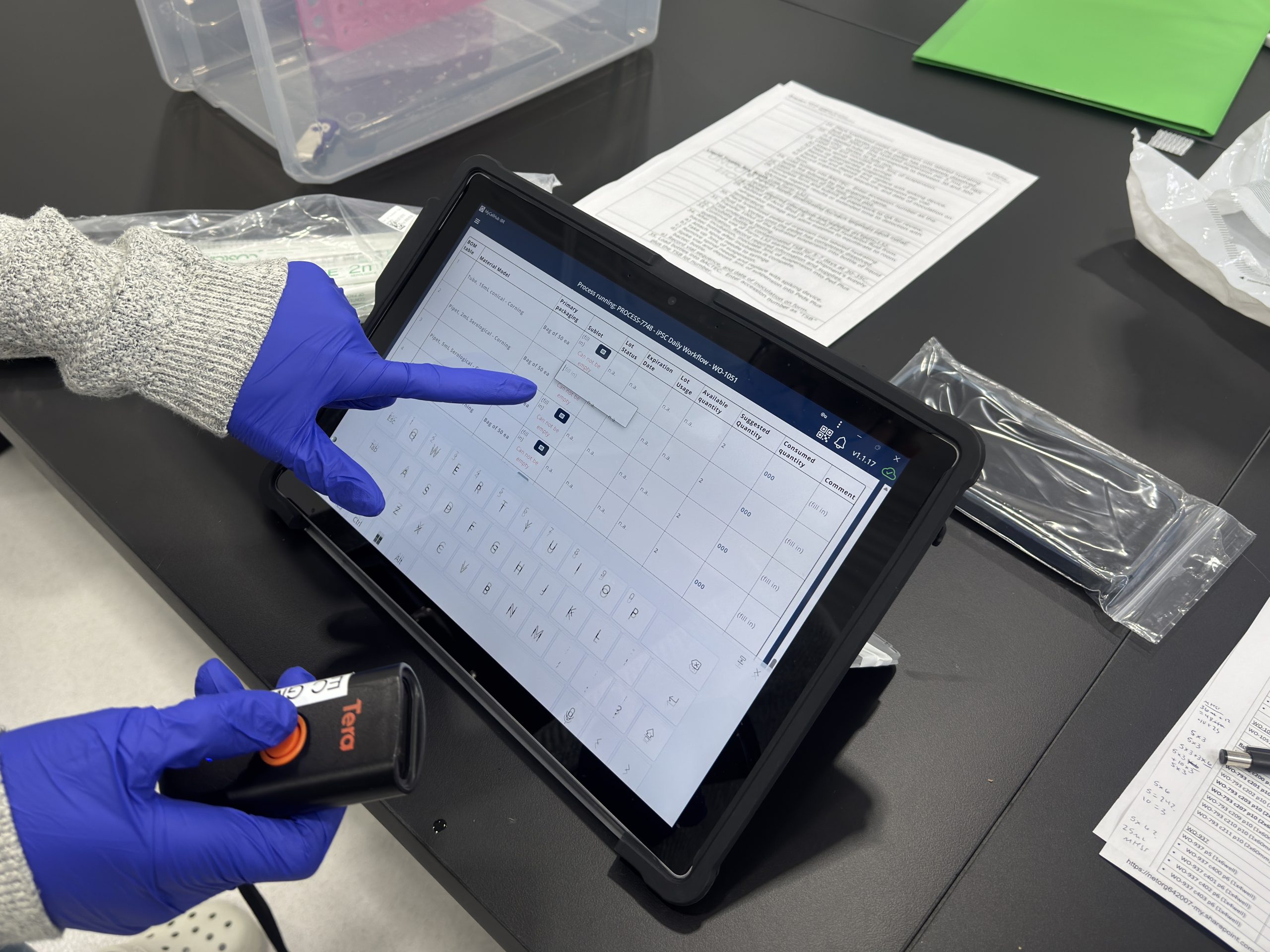
Patients are often contacted to voluntarily provide health information without being told what the immediate benefits are, or even who the eventual beneficiaries will be. Traditional patient registries have long served as tools to observe and collect data from people living with specific diseases. These registries often gather information from electronic medical records (EMRs), clinicians, or data entered by patients themselves.
However, registries are heavily dependent on consent and awareness. According to Patient Registries and Their Governance: A Pilot Study and Recommendations, registries involved in clinical research that contain identifiable information must obtain participant consent. But many patients lose track of their involvement over time. Parents may even register their children without the children ever knowing or consenting later in life.
Privacy Gaps and Lack of Patient Control
Privacy remains one of the greatest concerns for patients contributing to registries. Maintaining strong security measures for EMRs and donated data is essential to building trust, and right now, much of that trust is fragile.
In most traditional registries:
- De-identified data is not treated as “individual data.”
This means patient awareness or consent is not always required. - Patients rarely know exactly what clinicians submit on their behalf.
- Patients often cannot correct errors in registry entries that may impact research conclusions.
These gaps leave patients questioning whether they have any agency or voice in how their information is used. Many registries are also managed by stakeholders, including institutions and even pharmaceutical companies, who both manage the data and benefit from it. While the overall aim of traditional registries is to improve care through data-driven insights, the lack of transparency can diminish the confidence of the very people the registries depend on.
How HeartWorks Is Reimagining Data and Research for CHD
A Community-Powered Approach
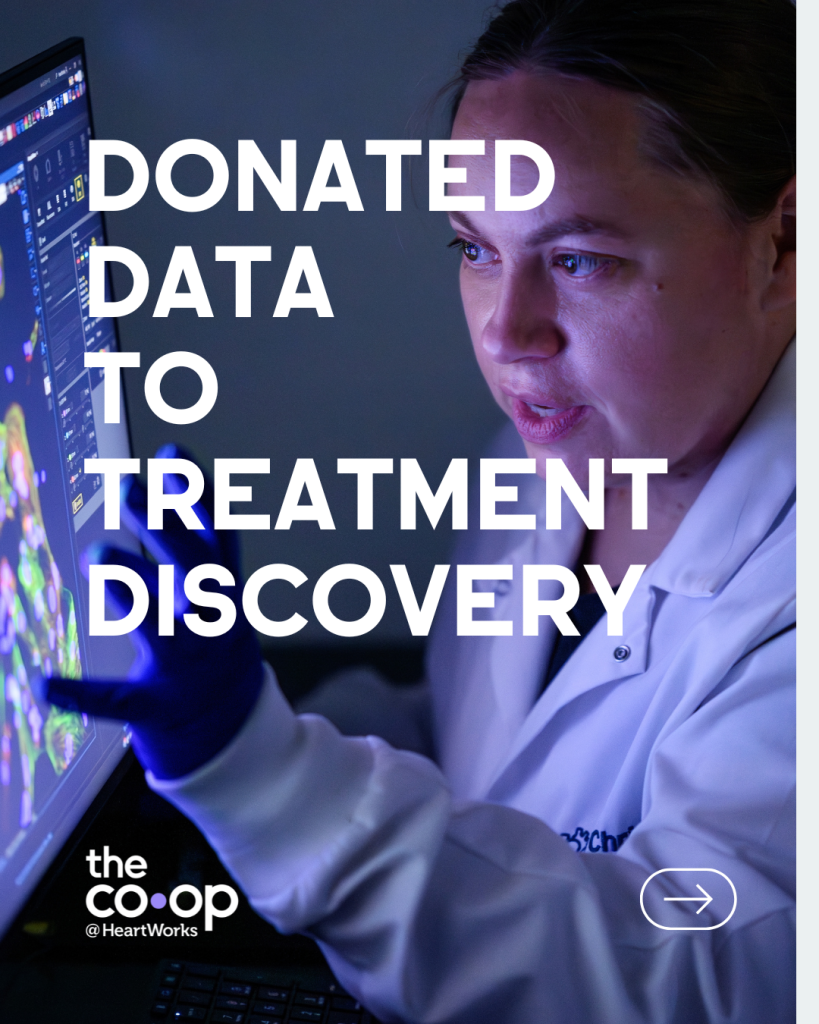
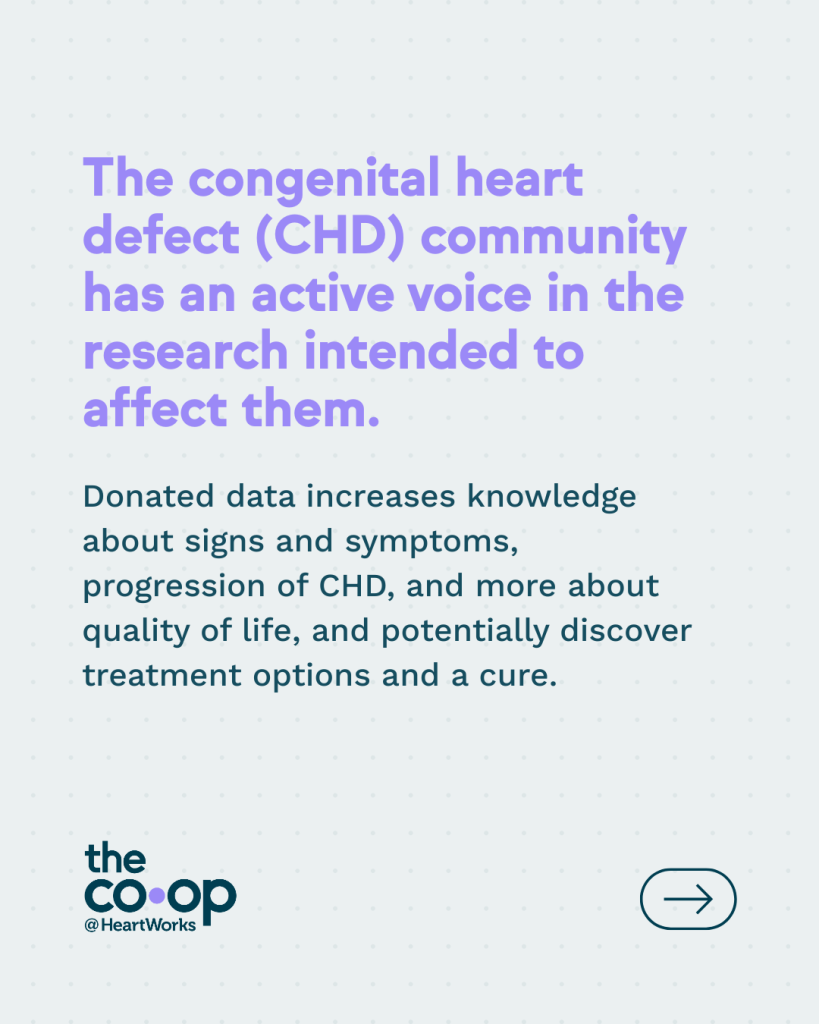
HeartWorks, Inc. is dedicated to finding a cure for congenital heart disease (CHD). Beyond clinical trials focused on heart strengthening, CHD management, and future interventional treatments, HeartWorks offers something different: a research model powered by the CHD community itself.
This transformation is made possible through The Co-op @ HeartWorks, a participatory action research (PAR) initiative built as a data cooperative. Unlike traditional registries, where patients submit information into a system they do not control, PAR engages patients as co-researchers.
What Makes Participatory Action Research Different?
In a PAR model:
- Patients are involved at every stage of the research process.
- Action and outcomes matter as much as data collection.
- Patients receive tangible benefits, not just researchers or industry partners.
For example, members of The Co-op platform can easily store, manage, and share their complete medical records with anyone they choose. This provides not only convenience, but empowerment. Patients can identify gaps in knowledge, collaborate directly with researchers, and ensure research reflects their lived experiences.
The Co-op as a True Data Cooperative
Core Principles of the Data Cooperative
The Co-op @ HeartWorks is created in the foundational principles of a data cooperative:
- Member Ownership and Control
- Democratic Governance – every member has an equal voice
- Benefit Sharing – all members share in the benefit created from the data
- Transparency and Openness – members always know how and why their data is being used
What This Means for Patients and Researchers
The Co-op database system supports:
- Easy access to personal data
- Simple updating and management of health information
- High-level data integrity, consistency, and security
For members, this means having confidence, clarity, and control. For researchers, this signifies more robust, accurate, and meaningful data that fuels discoveries and accelerates advancements.
A New Standard for CHD Research
By combining community-driven research, transparent data practices, and cooperative governance, HeartWorks is setting a new standard. The CHD community is no longer just a research subject; it is now a partner, decision-maker, and driver of change.
Andersson, N. (2018). Participatory research—A modernizing science for primary health care. Journal of General and Family Medicine, 19(5), 154–159. https://doi.org/10.1002/jgf2.187
Enhancing Social Research with Participatory Action: A Collaborative Approach • Sociology.Institute. (2022, December 12). Sociology Institute. https://sociology.institute/research-methodologies-methods/enhancing-social-research-participatory-action-collaborative-approach/#what-makes-participatory-action-research-different
Juergens, A. K., & Francis, L. P. (2018). Patient Registries and Their Governance: A Pilot Study and Recommendations. Journal of Law and the Biosciences, 5(3), 682–705. https://doi.org/10.1093/jlb/lsz004
Sustainability Directory. (2025, December). Data Cooperatives → Term. ESG → Sustainability Directory. https://esg.sustainability-directory.com/term/data-cooperatives/
Swift, J. (2025, May 12). Understanding Databases for Research: A Comprehensive Guide. Whatisdatabase.com. https://whatisdatabase.com/understanding-databases-for-research-a-comprehensive-guide
Workman, T. A. (2013). Defining Patient Registries and Research Networks. In www.ncbi.nlm.nih.gov. Agency for Healthcare Research and Quality (US). https://www.ncbi.nlm.nih.gov/books/NBK164514/