Why HeartWorks Works: The People, Technology and Support Behind CHD Innovation
New therapies for congenital heart disease are desperately needed. But identifying the need is only the beginning. Turning an idea into a therapy that can ultimately reach patients requires the right science, specialized facilities, manufacturing capabilities, clinical expertise, and people committed to solving an incredibly complex problem. That combination is what makes HeartWorks work.
A Different Era for Congenital Heart Disease
For decades, the options available to people with congenital heart disease have largely focused on helping the heart function despite its structural differences. Surgeries, medications, and for a small number of patients, transplantation have helped generations of people with CHD live longer lives. But new technologies are creating opportunities that simply did not exist a few years ago.
Advances in cell biology now allow scientists to take a patient’s own cells, reprogram them into stem cells, and ultimately create bioengineered heart muscle cells. New devices are being developed to support circulation, and technologies are being explored that could fundamentally change how hearts are preserved, studied, and potentially repaired. HeartWorks was built to take innovations like these and determine how they can become meaningful solutions for real patients.
Bringing the Right People and Capabilities Together
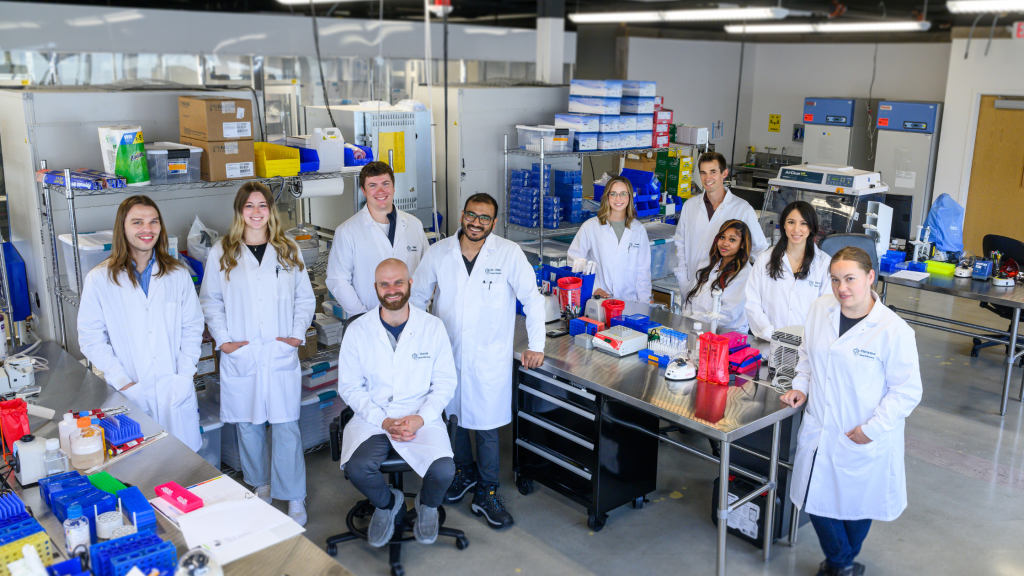
Science alone isn’t enough to move a new therapy from discovery to patient care. HeartWorks brings together teams across research and development, preclinical testing, GMP manufacturing, clinical operations, and patient data. Rather than treating these as sequential, independent steps, the teams work as an integrated platform with a singular focus on congenital heart disease. That structure allows a discovery in the laboratory to be immediately considered alongside the realities of manufacturing, regulatory requirements, clinical delivery, and the needs of patients – a team of teams working toward the same goal.
Building What Comes Next
HeartWorks is developing multiple approaches designed to address the different challenges faced by people living with CHD, including patient-specific cell therapies designed to regenerate and strengthen weakened heart muscle, technologies to support circulation in single-ventricle patients, and systems that allow hearts to remain functioning outside the body for longer periods of time. And while today’s programs move forward, the research and development teams continue working on what could come next.
That pipeline matters. The future of CHD will not be defined by one discovery or one therapy, it will require continued innovation across a lifetime of care, and the infrastructure to support it needs to be built alongside the science.
Philanthropy Moves the Work Forward
Building new therapies is also expensive. The specialized people, facilities, manufacturing capabilities, and clinical infrastructure required to move an idea toward patients represent a significant and sustained investment. HeartWorks is supported by philanthropy, making donors a genuine and essential part of the platform that allows this work to continue. Every contribution helps provide the resources needed to ask the next question, manufacture the next patient-specific cell line, test the next technology, and move promising therapies closer to the people who need them. The opportunity in front of us is significant and so is the work required to realize it.
This Is Why HeartWorks Works
There is an urgent need for better options for congenital heart disease. There are technologies available today that offer new possibilities. And there is now an organization bringing together the people, expertise, infrastructure, and support needed to pursue them. That’s HeartWorks.
This article concludes the five-part HeartWorks 101 series with Dr. Matt Ames. If you’re just joining us, start at Part 1 to explore why CHD remains such a difficult problem to solve, why HeartWorks was created, and how we’re working to build new possibilities for the 1 in 100.