From Skin Cells to Heart Cells
What if repairing the heart could begin with something as simple as a small skin biopsy?
At HeartWorks, that’s exactly where the journey begins.
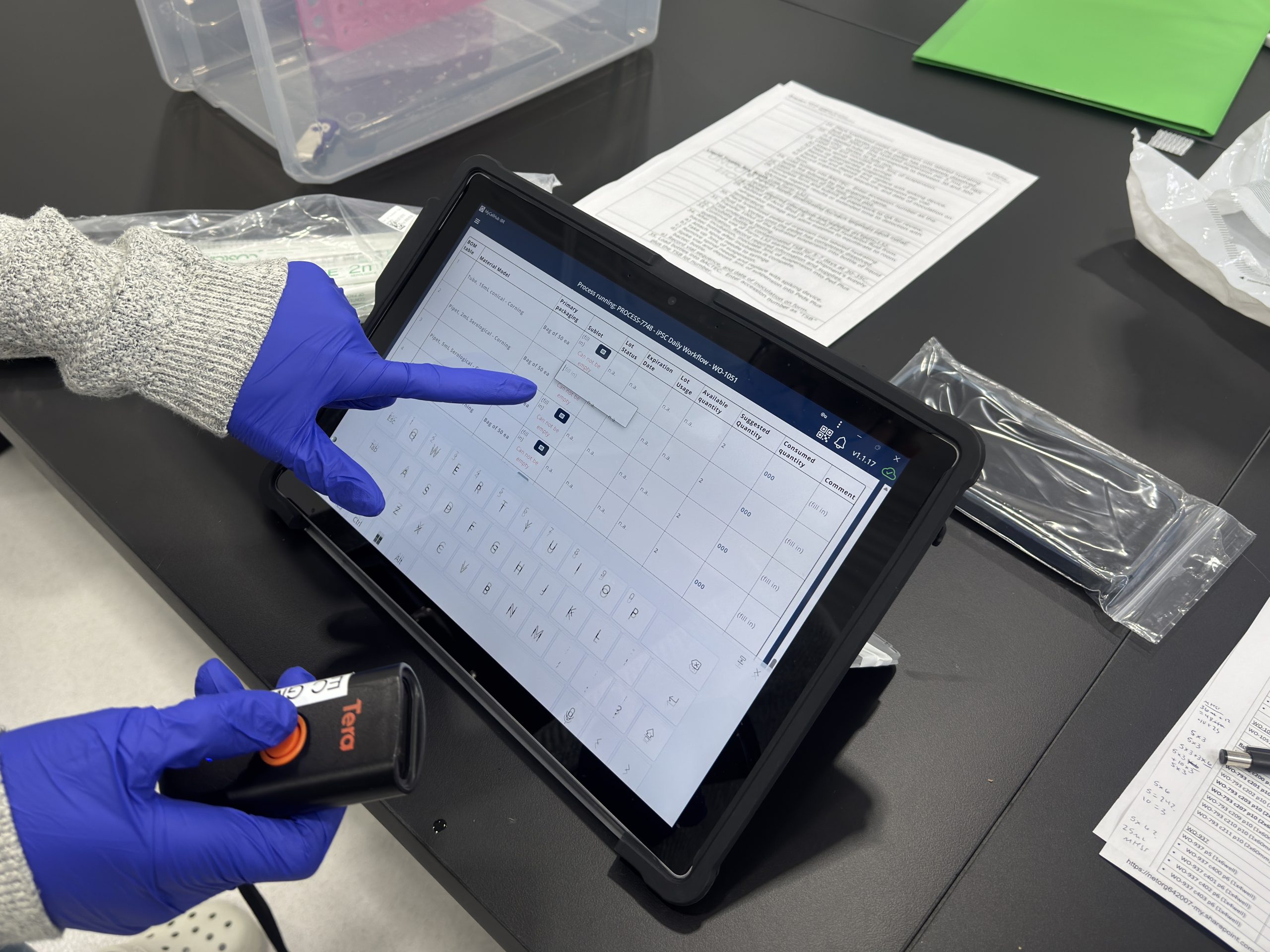
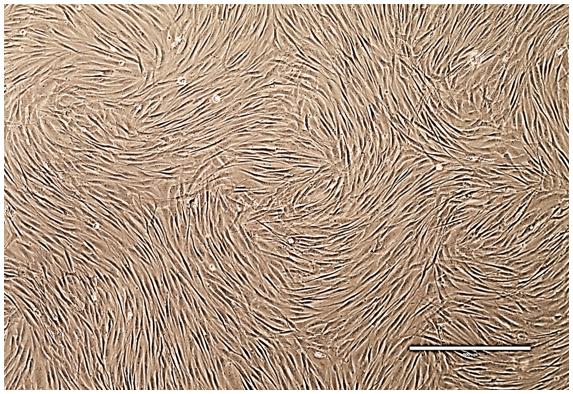
Scientists collect a small sample of skin containing fibroblasts (cells that serve as the starting point for regenerative therapy.) Those cells are then reprogrammed into induced pluripotent stem cells (iPSCs), allowing them to become many different cell types.
Next, those stem cells are carefully expanded to create millions of cells before being directed to become bioengineered heart muscle cells, known as cardiomyocytes.
One of the most important aspects of this approach is that the therapy is created from the patient’s own cells. Because these cells originate from the individual receiving treatment, the risk of immune rejection is significantly reduced compared with traditional transplantation approaches.
This work represents years of scientific advancement combined with specialized manufacturing, rigorous quality standards, and clinical development.
HeartWorks’ initial clinical program was designed for patients with Hypoplastic Left Heart Syndrome (HLHS). Following discussions with the FDA, the first clinical cohort shifted to adults living with congenital heart disease. This is an important milestone as regenerative therapies move closer to patient care.
Although there is still important work ahead, each patient-specific cell line created today represents another step toward therapies designed not simply to manage congenital heart disease, but to strengthen the heart itself.
This article is Part 3 of our HeartWorks 101 educational series, exploring how regenerative medicine is creating new possibilities for people living with congenital heart disease.